
 Translate

When children first start going to school, it’s easy to focus mainly on academics. Emotional intelligence skills, such as empathy, self-regulation, and communication, are also part of the school day. Just as you can support math and reading together with your child at home, you can also help them build their emotional intelligence through everyday moments and routines. Emotional intelligence helps your child build healthy relationships with peers and adults, problem-solve effectively, and make the most of their learning. Why Emotional Intelligence Matters Emotional intelligence helps children better understand and manage their emotions. Children can more easily maintain positive relationships and showing empathy for others. Emotional intelligence can help your child set and achieve goals and make responsible decisions. When emotional intelligence is built early, research shows that children achieve greater academic performance and emotional wellbeing. Easy Ways to Work on Emotional Intelligence at Home Talk with your child about feelings. This helps children identify what they’re feeling, and let’s them know it’s okay to feel sad or frustrated sometimes. Books are a great way to talk with your child. Read aloud with your child and talk about the characters. Ask them why they think a character felt a certain way, and what they would do if they were in that situation. Practice problem-solving and coping strategies with your child. Let them know that if they have trouble sharing or are upset with a friend, to work on a solution together. You can also help your child learn to better manage their emotions by taking deep breaths, talking to a trusted adult, or going to a quiet place for a quick break. Acknowledge when your child shows care or an act of kindness to others. Let them know how their actions make a difference. For example, you can say, “I noticed that you shared your crayons with your friend. I bet that made them feel good, and they were able to finish drawing their picture!” While children expand their emotional intelligence skills at school while interacting with their teachers and peers, building these skills can also start at home. If you are in need of more resources regarding emotional intelligence, please reach out to our Child Care Resource and Referral team at 561-514-3300 or visit https://www.elcpalmbeach.org/child-care-resource-referral .
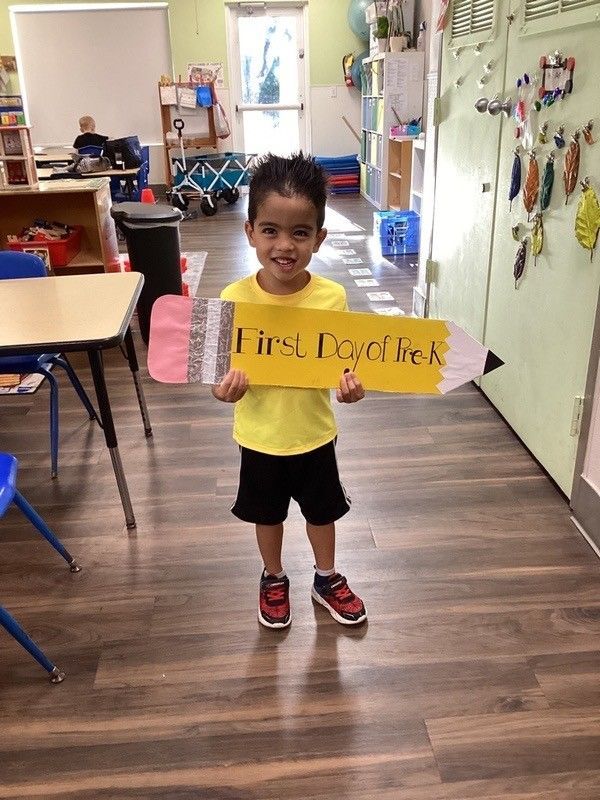
I still remember my child’s first morning of VPK like it was yesterday. He was so excited to wear his backpack, even though it was still just a little too big for him. Though my child had attended this school since he was four months old, I still didn’t quite know what to expect from their VPK program. We were stepping into a brand-new chapter together. However, from the moment we arrived, and his new teachers greeted him with smiles and a huge “My First Day of Pre-K!” sign to hold, I knew my child was in the right space for this next stage in his learning journey.

Written By Aruna Gilbert – Chief Program and Policy Officer I had the privilege of sitting with my 70-year-old uncle as he reminisced about his childhood. As someone working in early childhood education and social work, I found myself captivated by his stories, not just because they were family history, but because they so perfectly illustrated principles I encounter daily in my professional life. My uncle grew up in Guyana in the 1950s, when early education looked very different than it does today. He described his pre-K classroom as one large open space without partitions, housing several age groups simultaneously. In this environment, he struggled tremendously. “I couldn’t sit still,” he told me with a chuckle. “I would roam around the classroom constantly, moving from one area to another.” Today, we might have quickly labeled him as having ADHD or a behavior problem and developed an intervention plan. Back then, the solution was much simpler: his parents were called in and informed that he could not remain at the school; they didn’t believe they were the best place for him. At just five years old, my uncle faced his first educational rejection. What happened next would alter the course of his life. My grandparents enrolled him in a boys’ school where the headmistress took a markedly different approach. When my grandmother expressed concern about her son’s behavior, the headmistress simply said, “Don’t worry, he will be fine.” But she didn’t stop at reassurance. This remarkable educator took a personal interest in my uncle’s development. She checked in on him regularly, created space for his energy, and recognized the intelligence that his previous school had overlooked. She became what researchers now call a “protective factor” in his life. Decades later, my uncle—by then an accomplished civil engineer—was working on a major infrastructure project when he noticed a young engineer with the same surname as his former headmistress. In a moment that still brings tears to his eyes when he recounts it, he discovered he was his beloved headmistress’s grandson. “I was able to tell him how his grandmother had changed my life,” he said. “How I might not have become an engineer at all without her influence.” From “Problem Child” to Distinguished Engineer My uncle went on to graduate at the top of his class at McMaster University in Canada, earning both his Bachelor’s and Master’s degrees in civil engineering with distinction. He later completed his doctorate in civil engineering at the Indian Institute of Technology, one of India’s most elite educational institutions, again with top honors. Yet when asked about the foundations of his success, he doesn’t point to his natural intelligence or even his work ethic. Instead, he recalls those early childhood moments and the headmistress who believed in him. As I listened to my uncle’s story, I couldn’t help but connect it to the growing body of research on childhood development and resilience. Dr. Nadine Burke Harris’s groundbreaking work on Adverse Childhood Experiences (ACEs) shows that negative early experiences can have lasting impacts on children’s development and even their physical health. But her research also reveals something profoundly hopeful: the presence of just one supportive adult can significantly mitigate these effects. One relationship can change everything. Similarly, Isabelle Hau emphasizes in her book “Love to Learn” that relationships are fundamental to learning and development. Children don’t learn from people they don’t trust or feel connected to, and they thrive when they feel seen and valued. My uncle’s story offers several important lessons: 1. Early experiences matter. The way adults respond to children’s needs and behaviors in their early years can have lifelong implications. 2. Labels can limit potential. Had my uncle been in today’s educational system, he might have been labeled with a disorder rather than seen as a child with unique needs and strengths. 3. One adult can change a child’s trajectory. The headmistress didn’t implement an elaborate intervention program; she simply paid attention, showed care, and created space for a different kind of learner. 4. The impact of care ripples through generations. The headmistress never knew how far her influence would reach, but decades later, her grandson got to hear about the profound difference his grandmother had made. Reflection I have thought often about my uncle’s story in the days since our conversation. As professionals in education and child development, we sometimes get caught up in curricula, assessments, and methodologies. These matter, of course, but my uncle’s experience reminds me that at the heart of effective education is something much simpler: relationship. Sometimes, all it takes is one adult who truly sees a child, who looks past challenging behaviors to recognize potential, who makes the daily choice to believe in a child even when evidence suggests otherwise. My uncle’s life stands as testimony to the power of that one caring adult. And it makes me wonder: whose life might our educators be changing today, without even realizing it? What experiences have shaped your educational journey? Was there a teacher or mentor who changed your trajectory? Do you remember your preschool teacher? I would love to hear your stories submitted to communications@elcpalmbeach.org .

As parents and caregivers, we all strive to raise positive, cooperative, kind children. But kids will be kids, and the reality is that tantrums, challenging behavior, and power struggles will pop up. With the right tips and encouragement, we can help our children build positive behavior habits that will help them throughout their life. Research shows that positive behavior starts with strong relationships- when children feel loved and safe, they are more likely to cooperate. Acknowledge Their Behavior Catch your child being good! When you see your child engaging in good behavior, encourage them by being enthusiastic and specific. For instance, you can say, “Wow, I saw you share your toy at the park! That was such a nice thing to do!” Make eye contact, get down to their level, and show genuine interest in what your child is doing and how they are behaving. Even when your child acts up, it’s important to stay positive. For example, you can say, “I noticed you were trying hard to stay calm. That’s not easy. Next time, let’s practice stepping away and taking a deep breath.” Preparing for Challenging Behavior Kids aren’t perfect, and it’s always good to prepare if your child’s behavior goes south during an outing or playdate. Stay nearby your child so you can intervene or change locations if needed or provide two sets of the same toy (such as two balls) if you know your child is working on sharing. Sometimes a child does not yet know how to communicate their feelings, which can result in challenging behavior to get what they want. Help your child be a better communicator by talking about certain situations ahead of time (such as what to do while playing with friends or what to expect at school drop off) and reading books about other children dealing with big feelings and similar situations. Help your child with simple calm-down strategies, such as taking deep breaths when they feel frustrated, going to a quiet space in another room, or seeking support from a trusted adult. Skills for Building Positive Behavior Be specific when you want your child to display certain behaviors, such as sharing or being nice. For example, you can say “Hands are not for hitting, hands are for playing, eating, and hugging” or “Use your words. Ask for help if you are upset.” A great way to establish positive behavior in children is to practice! Have your child practice taking turns while you are playing with them, or when they’re with a sibling. You can also remind your child before playing with other kids that toys are for sharing. If there is a special toy that they don’t want to share, to put it away in a safe space. Model the behavior you want to see in your child. Kids learn more from what we do rather than what we say. Show them how to handle frustration, how to be patient, and talk about when it doesn’t go quite right. After all, even as adults, we have moments! Building positive behavior takes time and new skills emerge as your child grows. Modeling, teaching patience, and showing understanding, make it easier. It’s all about progress, not perfection, and as a parent, you are already doing a great job to help your child grow! Positive behavior will get better as your child ages and has more opportunities to practice. If you need more tips on how to address challenging behavior in children, you can connect with our Warm Line over the phone at 888-620-9190 or online at https://www.elcpalmbeach.org/warmline .
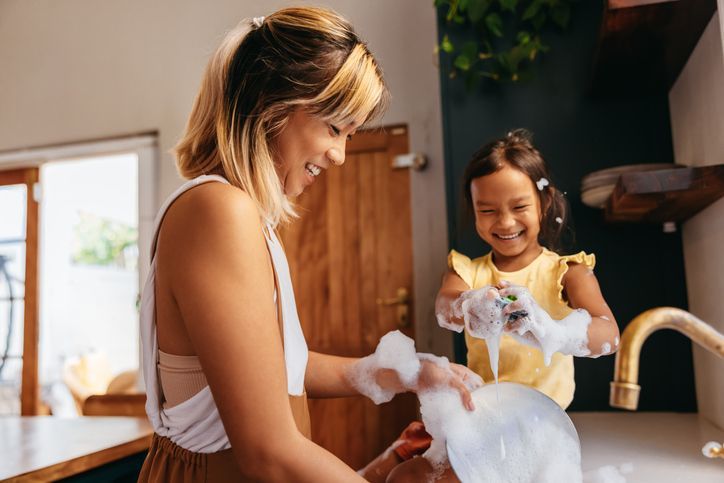
Introducing chores to your children can be a great way to build responsibility, confidence, and a sense of belonging. Children are naturally curious and love to be just like the grown-ups and big kids around them. This eagerness to help and the introduction of chores, especially when started early, can build life skills, and help your child learn to be more independent. Why Chores Are Important Chores help with skill-building, and the best chores are related to things your child will need to know in the future, such as how to make their bed, assist with laundry, or set the table for meals. Very young children can pitch in with household tasks by learning how to put away their toys. Pitching in with household tasks teaches children empathy and responsibility. It also helps them learn how to work together, solve problems, and compromise, which can help them both in the home and in the classroom at school. As children want more control over their choices, giving them chores to do can help encourage this independence and show them that daily chores and responsibilities help the rest of the family. Tips for Helping Your Child Complete Chores Make chores a part of your daily routine! Kids thrive when they have structure in their lives. For example, make it a habit for your child to make their bed and pack their backpack for school each day, or to put dirty clothes in the laundry basket each night before bed. Encourage them to do their chores at the same time each day. Let your child have some choice about the chores they want to do. For example, ask them if they want to help set the table or help clean up after dinner. Choices can help your child feel more invested in their chores. Tackle chores with your child and talk while you work together. Make it fun by putting on music while cleaning! You can also show your appreciation by thanking them and emphasizing how proud you are of them for being such big helpers! Rewards and Consequences Giving children some sort of motivation for completing chores is often needed to get the job done. Rewards can be given in the form of earned activities or an allowance that they can earn each time a job is completed. Chore charts, visual reminders, or family meetings can help children be more successful and feel a sense of accomplishment. Honest praise from a parent can be the most effective way of motivating your child to do chores! Congratulate them for their effort to complete a regular task or initiating a chore on their own without a reminder. Kids will inevitably resist doing chores, and when they do, they can begin to understand accountability and how their decisions affect them and others. For instance, when my child can’t find a certain toy, I remind him that it may be because he didn’t clean them up properly the last time he played with them. However, you can remain positive and predict success for next time- for example, you can say “Let’s try putting your toys away in their places after you’re done playing today- I know you can do it!” Remember to celebrate the little wins and praise your child’s efforts, not just the outcome. A simple “Thank you for helping!” or “You did that all by yourself!” goes a long way. Another thing to keep in mind is that chores aren’t just tasks to be completed- each job is an opportunity for growth and building confidence. The lessons children learn from completing chores early, and incorporating them into daily routines, can stick with them for life- both inside and outside the home. For more resources that are helpful for you and your family, please visit https://www.elcpalmbeach.org/family-resources .

March is National Nutrition Month! Good nutrition during the first years of your child’s life is vital for healthy growth and development. Starting good nutrition habits early can help children develop a healthy relationship with food and eating… but what do you do if every mealtime results in a power struggle? If you find yourself serving macaroni and cheese every night because your child refuses vegetables, I have been there too. Research shows that most children eventually outgrow their picky-eating phase, but what to do in the meantime? These simple tips that can help keep mealtimes fun and healthy! Before Mealtimes Let your child help make the meals! Give them simple jobs, like tearing lettuce for a salad, mixing in a bowl, or having them help set the table. Kids are more likely to eat food that they help prepare. Take your child grocery shopping with you, and let them pick out some new fruits, vegetables, or other healthy options they would like to try. Offer choices - instead of asking “Do you want carrots?” try “Would you like broccoli or carrots?” Giving your child a choice will help give them a sense of control. During Mealtimes If your child dislikes vegetables such as broccoli or cauliflower, try serving it in different forms, such as mixing it in with one of their favorite dishes, or serving it with a fun dip on the side. Research tells us kids may need to try a new food five to ten times before they start eating more of it, so keep offering! Be a role model. Children tend to follow the family example, so try to pile up your own plate with lots of colorful veggies and fruits. Though it may be tempting, try to avoid bribing your child with sweet treats to get them to clean their plates. This is not always the best way to develop healthy habits in the long run. Just continue offering healthy choices, encourage them to try new foods, and keep the mood at mealtime positive. After Mealtimes Remain upbeat even after mealtime is over - praise your child’s efforts! For example, even if they didn’t finish their plate, you can say, “I love that you tried a new food today!” Respect their appetite, and remember that some days children will eat more (especially during a growth spurt), and some days they will eat less. Be mindful of their hunger cues while continuing to offer healthy foods. Try to keep healthy snacks available around the house for your child to munch on between mealtimes, such as hummus, yogurt, or any healthy dip with vegetables or fruits. If you are concerned about your child’s eating habits, talk to your pediatrician. They can help make sure that your child is getting all the necessary nutrients to grow and develop. Remember, picky eating is a normal developmental stage for toddlers, and will not last forever. Do your best to patiently work with your child on continuing to try healthy foods, and this will help put them on the path toward lifelong healthy eating. For more nutrition resources, visit https://www.elcpalmbeach.org/family-resources .
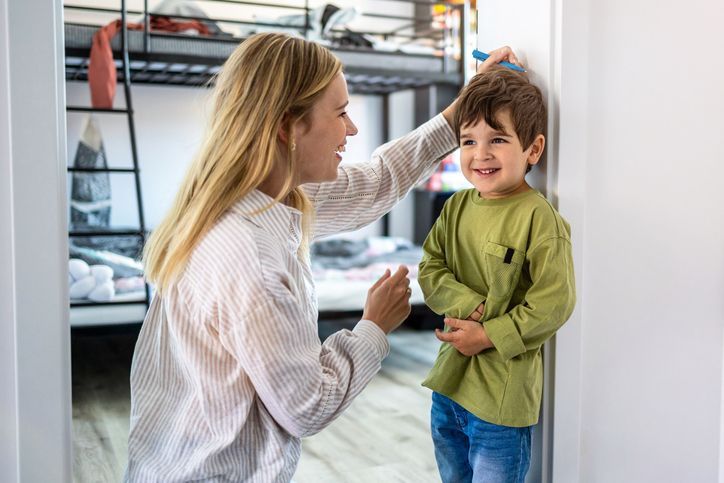
As parents and caregivers, we all want the best for our little ones, and that includes ensuring they stay on track with their developmental milestones. One of the most important things you can do to support your child’s developmental growth is to ensure they receive regular developmental check-ins. Developmental check-ins are simple, low-stress observations that help show how your child is growing and learning, and goes over skills such as communication, motor skills, social and emotional development, and cognitive skills. These check-ins are designed to identify areas where your child might need extra support and are a great tool to make sure your child thrives in both school and in life! Why Are Developmental Check-Ins Important and How Do I Get One? A child’s brain develops quickly during the first five years of life, and developmental check-ins can help ensure that concerns are addressed as early as possible. Early intervention can make a world of difference and supports are available at no cost. For children who need a little extra support with learning, speech, behavioral skills or social skills, early information from a check-in can help set them up for success with resources, specialists, and programs that meet their individual needs. To receive a developmental check-in for your child, talk to your pediatrician or local child care program. Many early learning programs offer routine check-ins and can connect you with resources. What Happens During a Developmental Check-In? A developmental check-in is quick and stress-free, usually taking about fifteen minutes. These can be done at your pediatrician’s office or early childhood program. You may fill out an Ages & Stages Questionnaire (ASQ) about your child’s skills, behavior, and interactions. A doctor, nurse, or early childhood specialist may also play with your child, ask them to do simple tasks, or follow simple instructions like stacking blocks or pointing to pictures. Some key areas of development that will be looked at during a check-in are motor skills, communication, problem-solving, and social and emotional skills. What Are the Next Steps? If everything appears to be on track, you can continue to monitor your child’s development. If a developmental check-in suggests that your child could benefit from extra support, the first thing to do is to take a deep breath; we are here to support your family and the earlier you start, the better! Next steps could be further evaluation, supports and resources. Families can call the Coalition’s Warm Line at 888-620-9190 and speak directly to the Early Intervention Manager about their child’s needs. The Coalition is here to help families with resources and connections to specialists, ensuring every child receives the help that is the right fit! Checking in on your child ‘s development help you learn more about your young child’s growth. Check-ins also ensure your child has everything they need to thrive and they get the support they need at an early age. The Coalition is here to help cheer you on every step of the way. For more information, visit https://www.elcpalmbeach.org/child-development .

Author: Aruna Gilbert, Chief Program and Policy Officer Sitting here watching my daughter navigate college applications, my mind keeps going back to her VPK classroom days. Was it really just yesterday that I was worried about whether she could write her name, or if she would make friends during circle time? Now she's writing and rewriting essays about her leadership experiences and future dreams, and I'm struck by how those early VPK learning moments laid foundations I never fully appreciated at the time. Gosh, I can remember questioning whether Voluntary Pre-K (VPK) would make a real difference. The program had only been in place a few years and not much research had been done on it because Florida was one of the first states to implement universal VPK. Sure, it was free, which helped our family out financially, but would those three hours really matter? Looking back from the vantage point of college applications, I can trace so many of her strengths to that pivotal year. The confidence she shows in her college interviews? It started with taking her first tooth she lost to present during "show and tell." Her ability to work independently on these applications? I see echoes of the self-directed learning centers in her VPK classroom. Even her essay-writing skills grew from those first exciting moments of realizing she could turn her thoughts into words on paper. Parents of little ones: I know you're deep in the world of tiny chairs, tantrums, and finger paint right now. You might be wondering if all these early learning experiences really matter in the long run. From my view on the other side - they matter more than we can envision. When your child's VPK teacher talks about developing executive function skills, they're not just using fancy terms - they're describing the exact abilities your child will need to manage college applications, job interviews, and adult life. The innovation in early learning since my daughter's VPK days amazes me. Today's programs incorporate technology, neuroscience research, and teaching methods we barely knew then. But the core remains the same - creating safe spaces for children to discover who they are as learners and individuals. My daughter's VPK program gave her more than academic readiness; it gave her a foundation of curiosity and confidence that's carrying her through these college applications. To parents starting the VPK journey: treasure these moments, even the chaotic ones. Take pictures of the finger paintings, save the squiggly first attempts at writing their name, and celebrate the small victories. Before you know it, you'll be sitting where I am, watching your child map out their future, seeing echoes of those early learning days in every confident decision they make. The time between VPK and college applications moves at light speed, but those early experiences create ripples that carry forward in ways you'd never expect. That finger-painting physicist or block-building architect in your child's VPK class isn't just playing - they're laying the groundwork for who they'll become. And trust me, you'll blink, and suddenly they'll be showing you their college essay, and you'll see traces of that VPK child in every word they write. Your child's future starts in those early learning moments. It may not look like much - just songs, stories, “shapey" dance parties, and playtime - but you're watching the foundation of their future take shape, one building block at a time. Now, if you'll excuse me, I need to go help my daughter decide which picture to include in her college application - though personally, I'm partial to the one of her VPK graduation, gap-toothed smile and all. Some milestones stay precious forever.

Many parents and caregivers have experienced their child showing separation anxiety. It can happen during drop off at child care or a family member’s house, or even just leaving the room for a few minutes. For me, there have been times I have felt sadness and guilt about leaving my own child, especially during his early days at school. While separation anxiety can cause adults to worry, it is an entirely normal behavior. It is also a great sign that your child is attached to you. Read below for some facts about separation anxiety and tips that can help: What is Separation Anxiety? Separation anxiety is a normal behavior that usually starts when children are around the age of six months, when the child starts to develop a stronger bond with the primary caregiver. Separation anxiety then peaks around ten to eighteen months. Typically, by age five, children are more used to time apart. Some signs of separation anxiety include your child becoming clingy or getting upset when you leave their sight. Separation anxiety can vary. Some families experience it more than others. With support, separation anxiety can get easier. Tips to Help Children Adjust Stick to a routine as much as possible. Routines help children feel safe and secure. Create a short goodbye ritual for you and your child to do when you drop them off somewhere, such as a quick hug, a cool handshake, and an “I love you!” Stay consistent with this goodbye. Stay positive as you depart. Seeing you calm will help your child be calm. Talk to children about where they are going for the day and why. Let your child know when you will return to pick them up in simple terms. Instead of saying you will be back at 3:00pm, try “I’ll be back after naptime and before afternoon snack.” Each time you leave your child, you are giving them time to build confidence and independence. Adjusting can look different for each child. If you suspect that your child needs more support, reach out to your pediatrician. For additional help, contact our Child Care Resource and Referral team at 561-514-3300, or visit us at https://www.elcpalmbeach.org/child-care-resource-referral . We are here to answer questions and support!

February is National Dental Health Month! Dental care can start when children are young. It is recommended that a child’s first visit to the dentist be when their first tooth comes through, or at twelve months of age, whichever comes first. Why is Dental Health Important? When children have healthy mouths, it supports their ability to speak, eat, sleep well, and feel confident. Healthy teeth help children focus and learn as they grow. Before, During, and After a Dental Visit Talk with your child about what to expect when they visit the dentist. Keeping it simple helps children understand what will happen at their visit. If possible, schedule the appointment at a time of day that is best for your child (for example, when they tend to be well-rested and fed). Talk to your child about what they will see in the dentist’s office, such as bright lights, a chair that moves up and down, and a tray of dental tools. Pretend play and reading children’s books about visiting the dentist can also help ease any concerns your child may have. Depending on your child’s age some dental offices will ask parents/caregivers to be with their child during the exam. Your calm voice and praise during the visit makes a difference! After the visit, follow advice from your dentist about how to care for your child’s teeth at home. As your child grows, help them be more independent when caring for their teeth. Keeping Teeth Healthy Brush your child’s teeth with a pea-sized amount of fluoride toothpaste twice a day. Young children may want to brush their teeth on their own, and they still need help while they learn. For babies, wipe their gums twice a day with a soft, clean cloth to wash away bacteria and sugars that can cause cavities. Focus on healthy foods like fruits, vegetables, whole-grain products, meat, fish, and chicken. Model for your children brushing your own teeth twice a day, flossing, and going for regular dental appointments. Make the act of brushing and flossing fun by having your child select their favorite flavor of toothpaste, and toothbrushes that have their favorite color or character on them. Sing songs while brushing or make up funny dances! The more you do it, the more it will be become a habit. For more information on Dental Health Month, visit our Family Resources page at https://www.elcpalmbeach.org/family-resources .
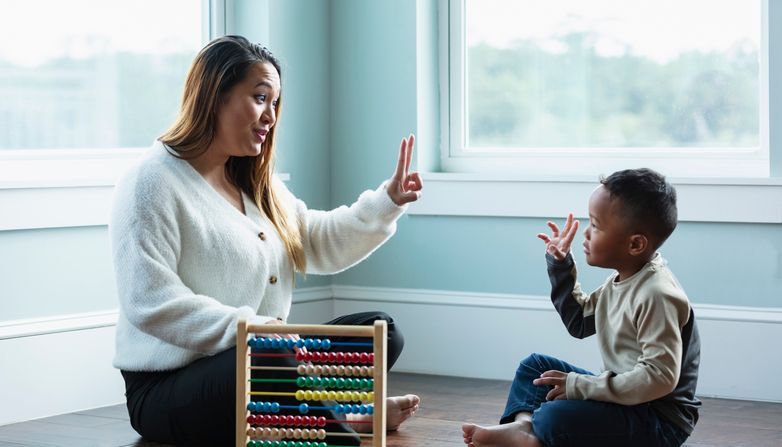
During the winter break from school, everyone deserves the chance to recharge and relax. However, you can also find ways to sneak in some learning to help your child avoid the “winter slide” and go back to school with a ready mind. For example, everyday activities, such as bath time, cooking, a drive in the car, or a walk, are all opportunities to help your child grasp some of the simple concepts around math. Math Activities for the Home Open-ended play and role play are great ways to incorporate concepts of math, especially if you have your kids pretend to be in a bank or a store. Have them practice counting using pretend money, or by stocking pretend food items. With this kind of role play, children are making the connection between math and real life. Have your child join in on holiday cooking or baking! Look at measurements together, count ingredients, and depending on their age, let them watch or participate while cooking. Help your child learn the concepts of sorting and categorizing by having them help with laundry and sort the clothes by color, size, or type. They can also help organize their toys and group them by size, color, or type of toy, and compare how much they have of each group. Math Activities for the Go Play a game by trying to find a clock wherever you go. If you spot one, look at the hands of the clock and count the numbers. While on a walk or at the playground, count the clouds in the sky. You can also talk about the weather, such as where rain comes from, and what time the moon and the sun rise and set. While driving in the car, look at road signs, and explain the distance between destinations while traveling. Learning Math by Reading While reading books, you and your child can count the characters or the numbers on the page. You can also determine the start, middle, and end of the book, as well as how long it takes to read it. Read some lift-the-flap or puzzle books with your child. These books can help your child engage in counting the number of flaps, as well as shapes and patterns. After reading a story together, ask your child some math-related questions, such as “How many siblings did the character have?” or “How many apples did the character pack for lunch?” Learning math by doing everyday activities in and outside the house can provide numerous benefits for children. They’ll be able to see how math is used in daily life and help them understand how important math is beyond the classroom. In addition, incorporating math and literacy into your winter break activities can help kids retain key concepts they learned at school, so that they can return after the holidays with their minds fresh. To find free books that can help your child with their math and literacy skills, check out https://booksmart.worldreader.org/en/BookSmart/Welcome/Start !

For children, unwrapping presents can be an exciting part of the holidays. Gift-givers can also remember to prioritize safety when choosing toys and gifts. Buying safe and age-appropriate toys is important for children’s physical and intellectual growth and keeps them having fun safely. Are They Developmentally and Age-Appropriate? Consider your child’s age and development when purchasing a toy or a game. It’s worth a few extra seconds to read recommended age, instructions and warning labels to ensure the gift is just right. Infants tend to prefer toys that engage their senses, such as colorful objects, soft textures, and gentle sounds. Babies also learn by exploring with their mouths. Some toys that are appropriate for this age include: Toys they can hold or reach for and put in their mouths, such as rattles and teething rings. Toys with faces and bright colors, such as baby-safe mirrors and soft blocks. Board books. Toddlers 18-24 months enjoy toys that promote independence and creativity, and at this age, they are also attracted to toys that encourage movement, problem-solving, and simple challenges. These include: Simple wooden puzzles with letters and numbers. Wooden, foam, or cardboard stacking blocks. Non-toxic crayons and washable markers. Children between the ages of 2 and 3 enjoy playing pretend, which boosts imagination and social skills. They will also benefit from toys that encourage physical activity, such as: Dolls and stuffed animals. Interactive books (lift and flap books, or books with music). Sand and water play toys (or foam letters/numbers for the bathtub). Preschoolers between the ages of 3 and 4 enjoy toys that support creativity and help to improve their communication and fine motor skills. These include: Pretend play toys, such as dress-up clothes, play kitchens, and tool benches. Letter matching or counting games. Shape sorters and building blocks. Are They Safe? For all toys, it is important to supervise playtime, especially for younger children. Caregivers should regularly check toys for damaged parts and repair or discard broken toys or pieces. It is also important to clean toys often, and to separate toys meant for older children. Other safety tips include: When using riding toys such as bikes and scooters, make sure your child is wearing a helmet that is fitted correctly. Put toys away in a safe storage container after playtime is over. Sign up to receive product recalls and visit www.recalls.gov for information about the latest product recalls related to kids. Alternative Gift Ideas Help your child pick out toys, clothing, and shoes that they have outgrown and donate them together to a community charity or family. If you’re unsure of what to buy, consider gifting experiences. Tickets to a zoo, a museum, or a fun class can create memories that will last long after the holidays are over. Have a special occasion date with your kids! Kids love to spend time with their loved ones, so plan a day to take them somewhere special- lunch, movie, a park, anything! Doing something special and showing your child that want to spend time with them can be worth more than any toy. By following the above guidelines, you can ensure that the gifts you give and receive for your loved ones bring happiness without compromising safety. To learn more about safe toys and gifts, visit https://www.safekids.org/safetytips/field_risks/toy-safety .

The holiday season brings fun moments with family and friends. For parents, it can also mean navigating through plans, travel, and expectations with your children. Luckily, there are some simple tips to follow to ensure your children are prepared for travel and holiday gatherings. Remember, you don’t have to attend every party or partake in every holiday event- the important thing is to find what works for your family’s individual needs. Plan Ahead Traveling or holiday events: Everyone has more fun if children get enough sleep, eat healthy foods, and there is time for downtime. Children need to sleep, eat, play, and unwind, even during holiday fun. By fulfilling basic needs (yours included), you’ll lessen the chances of holiday stress. During long trips or while visiting a relative’s or friend’s home, pack some familiar things that can help your child in a new environment. These can include a favorite toy or blanket, calming music and headphones, or coloring books and crayons if they need a relaxing activity. Have conversations with your child before leaving your house about what will be happening so everyone feels prepared. You can also identify a space for your child to have some quiet time during gatherings or events. Remember, you don’t have to attend every party or holiday event. Finding balance can make the season more relaxed. Helpful Holiday Tasks Kids Can Do Teaching kids how to do things for themselves gives them a step toward independence and a sense of pride and accomplishment. Finding ways to include your children in an event can make it more meaningful for everyone. Additionally, it can help take some things off your own to-do list! This holiday season, try giving your child some age-appropriate tasks or chores such as: For toddlers and early preschoolers, have them pick out holiday books to read together, help with baking holiday treats by mixing ingredients and stirring them in a bowl, or collecting the recycling and trash after unwrapping gifts. Before a meal, have your children set the table or help decorate by creating place cards or designing placemats. Whether you’re hosting or traveling for the holidays, your kids can help prepare by picking out their own clothes to pack or wear, and deciding on what colors and types of clothing they prefer. Go Over Safety Tips Though it’s great for kids to be involved in holiday preparations, safety is also important, especially during festive gatherings when there is a lot of activity and people in the home and on the roads. Keep children at least three feet away from the stove and away from hot food and liquids. Be sure electrical cords are out of reach of reach of children. If traveling, plan your route ahead of time, be aware of weather conditions, buckle up. Be careful in busy parking lots while out shopping. During the holidays, it’s important to manage expectations. With a little planning and communication, you can create joyful and memorable experiences for everyone! For more resources on parenting and holiday tips, check out our Family Resources page at https://www.elcpalmbeach.org/family-resources .

Family engagement has been shown to increase a child’s motivation to learn, reduce behavioral problems, improve social-emotional development, and foster school readiness skills, such as impulse control, attention, memory, and planning. As a parent, there are many opportunities throughout the day to influence and teach your child a new lesson outside of the classroom. Learning Opportunities in the Home Aim to read to your child for at least 15 minutes a day. Reading books aloud together can be a great way to boost vocabulary and literacy skills. Have conversations with your child as you go about your day. The more children feel comfortable in sharing with you, the more readily they will learn from you. Use simple activities at home to help your child identify shapes and colors. For example, ask your child what the color of their toothbrush is, or ask them to name the colors on their clothing as they get dressed. Look for different shapes in your home, such as the shape of a rug or a book. Learning Opportunities on the Go Point out letters on cereal boxes, road signs, and in books. When you’re driving, you can do a letter hunt by asking your child if they can find the letter “A” on a passing sign. Practice numbers in the grocery store by having your child help you find different numbered aisles and have them help you count the number of items in your cart to see if you’ll need to check out in the express lane or the regular lane. Have fun with sizes and comparisons by asking your child which bag of your groceries is heavier, or which plate on the restaurant table is smaller than the rest of the plates. You Are Your Child’s First Teacher Parents, you are your child’s first and greatest teacher! Parental involvement and engagement are strongly linked to the development of critical skills such as reading and writing, as well as general life skills including patience, relationship building, and character development. Act as a role model for good behavior, since your children are watching and learning from you every day. Teach them not only early math and literacy skills, but the importance of being grateful, considerate, and kind. Learning new skills can take time. Children will need repetition and support as they gain the ability to complete tasks on their own. This requires patience and understanding from parents, teaching and re-teaching skills. You can also talk to your child’s teacher about specific activities you can do at home to help boost your child’s learning and development. In addition, our Child Care Resource and Referral specialists can connect you with resources to help support your role as your child’s first teacher. Check them out at https://www.elcpalmbeach.org/child-care-resource-referral .

As parents, you are vital to your child’s early development! Eighty percent of a child’s brain develops before they are five years of age. Family engagement supports children’s school readiness and prepares them for life. Spending time together as a family can improve the social-emotional development of children, as well as foster skills in young children such as impulse control, attention, memory, and planning. The easiest way to advance these skills is by taking advantage of everyday life moments and using these times to connect, read, and play with your child. What is Family Engagement Month? November is Florida Engagement Month, a time to celebrate the significant role that parents and caregivers play in their children’s education. Children benefit tremendously from positive family engagement, and it can help them succeed in school by increasing their motivation to learn. Children need high-quality time with parents and caregivers, and it’s about how you choose to spend that time that truly matters. Using Everyday Moments to Connect Find moments during your daily routine to actively engage in conversation with your child. Talking to your child is one of the most important things you can do to get their brains ready for learning! The more you talk with your child the more words they will learn. Tell stories, sing songs, play games, go for a walk in the park, complete a puzzle, or build blocks with your child. Every little bit of play time makes a positive impact! Tell your child you love them every day, and how important they are to you and how they make you feel. Try to have a daily “connect” time with your child, such as letting them choose and read one book with you at bedtime. Using Everyday Moments to Learn Teach your child new words and concepts by talking with them, for example, about the food they eat. Ask them questions like, “What color is the fruit on your plate?” or “What shape is the sandwich?” You can also help them count the number of grapes or carrots on their plate. Cooking with your child is a wonderful way to teach fine motor skills (they will need to use their hands to stir, mix, or combine ingredients); social and emotional development (connecting while you cook together); language and literacy (giving them a chance to listen and follow directions); and mathematical thinking (exploring and measuring ingredients). Have fun with numbers while washing hands, playing with toys, and eating- for example, have your child count to ten while they wash their hands, ask them to find four of their favorite toys, or to eat five more bites of their lunch. As a parent, you have the power to give your child a great start in life! The world is a child’s classroom, and everyday experiences provide countless opportunities to build on school readiness skills. Take some time to talk about what you see as you walk or drive, talk about your day or what you’re doing in the kitchen, and point out signs, buildings, animals, and colors while out and about in the community. When you make learning a part of your everyday lifestyle, you provide quality, unique experiences for your child! For more information on what you can do during Family Engagement month, visit https://www.elcpalmbeach.org/family-resources .

If your family celebrates Halloween, it’s important to remember to stay safe and respectful of others in your neighborhood, while also having fun! With a little planning, it’s easy to create a balance between enjoying the festivities and keeping safety a top priority. Read on for some tips and tricks, so that you can better enjoy the treats! Tips for Trick-or-Treating October in Florida doesn’t always mean nice, crisp weather- be prepared for heat and rain by bringing raincoats, umbrellas, and lots of water while trick-or-treating. Lightweight costumes are more comfortable in the heat. Bring an extra treat bag or two, in case the one your child is carrying breaks, rips, or gets too heavy. Have your child practice saying, “Trick or treat!” and “Thank you!” as they go door to door. Make sure your children walk on sidewalks, instead of on the street, unless your neighborhood closes them to traffic. Look for houses with their lights on. Those with lights off might mean that family is not celebrating Halloween, and it’s important to respect that different families do different things. Remind your child not to take more candy than what they’re offered, to ensure there is enough candy for everyone in the neighborhood. Staying Safe When selecting your child’s costume, make sure it is the right size to avoid trips and falls. As it starts getting darker earlier, be sure that your family stays visible to both cars on the road, and to the rest of your group. A fun option is to give everyone glow sticks to carry or wear! You can also bring a flashlight or wear reflective clothing. Cross the street at traffic signals and stick to well-lit areas and sidewalks. Make sure an adult always stays with your child and their group. Remind your child not to enter someone’s house without permission (unless they’re having a walkthrough haunted house, of course)! Activities For the Home Pumpkin carving is a classic Halloween tradition, but it can get messy. In our home, we enjoy painting pumpkins or decorating them with stickers and markers. Have your child create their own jack-o’-lantern with different materials! Play fun Halloween music and have a dance party in the living room! Some of my favorites include “Monster Mash,” “Ghostbusters,” and “Thriller.” Tell your child some not-so-scary stories- you can borrow some from the library or tell your own. Create a spooky atmosphere by dimming the lights, or for your young kids, making props with friendly ghosts and silly witches. See if your town offers free Halloween activities such as pumpkin patches or trunk or treats- these can be fun, organized alternatives or added activities to traditional trick-or-treating. Halloween can be a fun and memorable time for families with just a few safety precautions. Whether you’ll be out trick-or-treating, attending a Halloween event, or simply enjoying activities at home, the important thing is to make sure your kids feel safe and comfortable, and that everyone has a good time. More safety tips can be found at https://www.safekids.org/halloween . Happy Halloween!

If your child is in Voluntary Prekindergarten (VPK) this year, you may be curious as to what your child will learn and encounter in their program. One important component of a child’s VPK experience is the VPK FAST (Florida Assessment for Student Thinking) assessment. The FAST assessment will help ensure that your child is on the right path to a successful start in school and is used to help educators determine a child’s knowledge and skills. Some areas that are measured are phonological awareness, letter recognition, and vocabulary. The FAST is given at the beginning, mid-point and end of the year to assist early educators in understanding your child and their growth towards kindergarten. There are easy ways to help your child feed prepared. One of these is simply to read aloud together every day. Ask your child questions about the stories and choose a variety of books that will introduce them to different words and topics. Help your child learn to recognize letters by pointing them out on signs and items around the house and neighborhood. Sing songs together that involve rhyming and play games such as “I Spy.” Most likely, your child’s assessment will take place on a tablet. You can have your child practice navigating how to press buttons and swipe on a tablet at home, or by helping them learn how to type on a keyboard and click with a mouse. Rest assured that their teacher there to assist with technology when they are in their VPK program. Keep your child on their consistent daily routine, ensuring they are following regular times for sleep, meals, and playtime. When a child is well-rested and knows what to expect from their day, they will be more likely to perform their best. More likely than not, your child will not even know they are being assessed that day- they may just come home excited that they got to play a game. Celebrate their excitement, rather than focusing on what questions they were asked or how they responded. If your child does feel nervous, listen to their concerns, and reassure them that this is a special way for their teachers to know how to help them learn. What to Do with Assessment Results Your child’s VPK program will share results with you. When you receive your child’s results, take the time to review them and ask questions. Their VPK program will be able to best explain your child’s strengths and where they may need additional support. Continue to support your child’s learning by reading at home, sticking with routines, and completing any activities that your teacher may send home with your child. Keep learning fun! Incorporate math and literacy into everyday routines when you can and continue to celebrate your child’s achievements. Preparing your child (and yourself) for the VPK FAST assessment can be simple. The goal of VPK is to ensure your child is ready for the exciting journey kindergarten journey, and that this assessment will help them excel. If you have any questions or concerns about your child’s assessment, don’t hesitate to reach out to their teacher or director. You can also call the Coalition at 561-514-3300 for additional resources or visit https://www.elcpalmbeach.org/vpk-families. Here’s to a great experience in VPK for you and your family!

October is spooky season, but there’s something that can be even scarier than ghosts and goblins - child tantrums and meltdowns! As a parent, you’ve likely experienced a classic tantrum or meltdown, whether it was in the middle of a grocery store or right before bedtime. Luckily, there are strategies that can help you manage tantrums in calm, effective ways. Why Children Have Tantrums Tantrums are a normal part of development. They occur most between the ages of one and three. Tantrums and meltdowns can be generated by lots of feelings, such as fear, frustration, anger, sensory overload or just being tired. A child doesn’t yet have the skills to talk about how they feel, and so they can be overwhelmed by emotions. Sometimes, children will learn that tantrums and meltdowns can lead to getting what they want, and they become behaviors that they rely on. The goal is to help your child learn other, more gentle ways to handle stressful situations, such as taking some deep breaths or seeking support from adults. Modeling calm and praising cooperation gets you more of what you want over time. How to Handle Tantrums and Meltdowns During a tantrum, model your own calming behaviors. Remember it’s happening “in front of you” not “to you”. Taking the time to talk and give words to their feelings will help children use their words over time. If your child is hitting or biting, remove them from the situation immediately, and make it clear that the behavior is not safe or acceptable. Behaviors such as hitting, kicking, biting, or throwing should not be ignored and should be addressed. Set your child up for success - if you know tantrums usually occur when they are hungry or tired, have a healthy snack on you when you are out of the house, and try to prioritize nap and sleep times. Remember to give yourself a break when you need it, even if that means asking a partner, friend, or family member to tap in. You’re doing a great job, and need to take care of yourself, too! Tips for Preventing Tantrums & Calming Children Back Down Help your child learn to label their feelings and let them know that it’s okay to feel sad, angry, or frustrated. By naming and accepting their emotions, they will be better able to learn how to manage them. Consistent routines make a difference. Having a dependable structure can help kids feel in control. If change is unavoidable and you know that your child has trouble with transitions, provide a warning and a time limit before the transition happens - for example, let them know in five minutes, they will have to stop playing with their toys and sit down to eat dinner. Plan for something that you predict may be an emotionally challenging situation for your child. During a time when both of you are calm, talk about what’s coming up, such as a trip to a place where they are expected to behave, or a doctor visit. Talking about these stressful situations in advance can help you both avoid a meltdown. For a young child, some days are tough, and they can go through lots of big feeling very quickly. By setting aside a few minutes each day to spend one-on-one time with your child can help them manage stress during other points of the day. This special time should be full of positive connections and letting your child know that you love them no matter what. Tantrums and meltdowns are a normal part of growing up. Stay calm, offer your support, and set boundaries. With time and patience, both you and your child will get better at handling challenging situations. Remember, if your child is currently going through tantrums and meltdowns - it won’t last forever. Tantrums tend to reduce with age, even if they don’t go away entirely. If you’re still concerned about their behavior, talk to their pediatrician. Further resources can be obtained by talking to one of our Child Care Resource and Referral specialists at 561-514-3300 or https://www.elcpalmbeach.org/child-care-resource-referral .

Every year, from September 15 th to October 15th, we celebrate Hispanic Heritage Month in the United States. This is a time to celebrate the rich history, culture, and contributions of Hispanic and Latino communities around the world. This month focuses on family, traditions, food, music, and art- everything that makes Hispanic culture so wonderful and exciting! We asked a few of our Coalition staff members to share how they celebrate Hispanic Heritage Month; Ysis Figueroa, Customer Resource Assistant Manager, explained the following: “During Hispanic Heritage Month and throughout the year, it’s important to me, as a Dominican in the U.S., that my daughter stays connected to her heritage. For Hispanic Heritage Month, we make an effort to attend local events and festivals to celebrate our Latino culture within the community. I pass down traditions by cooking staple Dominican dishes like mangú (mashed plantains), La Bandera ("the Dominican flag," a national dish of rice, beans, and meat), and sancocho (a hearty stew with meat and root vegetables). We celebrate Dominican holidays throughout the year with family, enjoying vibrant music, dancing, and cultural pride. We also stay connected to the island by following our favorite baseball team, Tigres del Licey, when the Dominican Winter League starts in October. Thanks to technology, we can stay connected and follow the games no matter where we are. My parents, now retired, travel back and forth between their home in Palm Beach County and their home in Santo Domingo, which also helps us stay connected to our culture. In Palm Beach County, we love visiting Dominican spots like Las Americas Restaurant and La Casa del Mofongo to enjoy authentic Dominican flavors. If you want to try some Dominican recipes at home, I encourage you to visit https://www.dominicancooking.com/ , a fantastic resource for traditional Dominican dishes!” Maria Gutierrez, Family Services Manager- Early Intervention Manager, also shared an important part of her Columbian heritage- coffee! She writes: “Coffee is a significant part of Colombian culture. Not only because our country produces world-class coffee, but also because most locals drink it daily and several times a day. Yes, some Colombians are not fans of coffee, but we are generally a coffee-drinking culture. When do we drink coffee? When we wake up: early morning ritual. During the day at work. After lunch. During work meetings. When you are invited to someone’s house. When catching up with friends. The intake of coffee depends on the person. Some people drink 1-2 cups of coffee a day, while others drink up to 6+ cups of coffee a day. Other names for coffee are Cafecito, Tinto , and Tintico.” By celebrating this special month, we are better able to understand different cultures and the important role they play in making our world a better, more vibrant place. By learning new words, trying new foods, or making some cool art, celebrating Hispanic Heritage Month is all about having fun while learning more about the world around us. Check out your local library to see which books and authors librarians recommend for Hispanic Heritage Month, and ask if they offer any fun activities. Visit https://wpbcitylibrary.libcal.com/calendars?t=g&q=hispanic%20heritage&cid=-1&cal=-1&inc=0 to find Hispanic Heritage Month activities at the Mandel Public Library in West Palm Beach.

September is recognized as baby safety month, and although a baby’s safety should be a top priority all year long, having a month dedicated to promoting safety for young children can be helpful for both new and experienced parents. Every parent and caregiver want to ensure their baby’s safety, but with so much information out there, it can be overwhelming to know where to start. Luckily, there are a few essential baby safety tips that parents and caregivers can follow. Crib and Sleep Safety A newborn baby can spend up to 16 to 17 hours a day sleeping. When I was a new parent, I remember spending most of that time checking on my child what felt like every few minutes. However, it is important for parents to get their rest as well, and you can follow these tips to ensure both you and your baby get some much-needed rest: Always place your baby on their back to sleep. Use a firm mattress in a safety-approved crib with a fitted sheet. Avoid soft bedding, pillows, or stuffed animals in the crib or bassinet. Place the crib away a from windows with blinds with strings or cords within reach. Do not place shelving, pictures, or other décor over a crib that could fall off the wall and into the crib. Bath and Water Safety Whether you are giving your baby a bath, going in a swimming pool, or letting them play with water toys, it’s important to always stay vigilant when babies are in or around water. Check the temperature of the water with your wrist before placing your baby in a bath or pool. Immediately drain the bathtub when finished using it. If you have a pool, use a fence around your pool that is at least 5 feet tall and use a pool alarm that alerts you if someone is entering the water. Do not let your child use inflatable floatation devices when not being supervised. Car Seat Safety When in the car with your baby, your child should always be secured in a car seat located in the back seat of the vehicle. Other car seat safety tips include: Placing your baby in a rear-facing car seat until they reach the maximum height or weight limit specified by the car seat manufacturer. Always keep the harness buckled and place the chest clip level with your baby’s armpits. Do not add pillows or blankets to make your child fit properly; only use the provided inserts as needed. Playtime and General Safety Playtime is as much a part of your baby’s routine as sleeping and eating. Having toys available for your child keeps them entertained and active, however, parents should always follow each toy’s instructions to avoid potential hazards. Avoid toys with small and sharp parts. Disinfect toys regularly, especially after another child has played with them. Keep older children’s toys separated from baby’s toys. To ensure your baby’s general safety in all areas of your house, you can keep the following in mind: Keep batteries and other small, loose items out of reach. Keep babies strapped in when using highchairs and swings. Use safety gates to keep children away from stairs. Lock up all medications and household items that can be considered poisonous in a place that baby cannot access. Keeping your baby safe requires extra attention, but by being proactive and following common safety tips, you will create a secure environment that best supports your baby’s health and development! For additional tips, be sure to visit our Family Resources webpage at https://www.elcpalmbeach.org/family-resources or https://www.safekids.org/ .

Did you know? There are plenty of ways parents and caregivers can introduce the basics of writing and spelling at home! Helping your child learn to read, write, and spell can set the stage for a lifelong love of literacy. Writing is also a great way for a child to express their thoughts and creativity and will eventually help them learn how to organize their ideas and be better readers. You are your child’s first teacher, so be sure to show your child how writing can be used in our everyday lives- whether it’s through writing lists, letters, or texting. Below are some additional tips to get your child started! Letters and Sounds Before diving right in to spelling and writing, make sure your child is comfortable with the alphabet. Use magnetic letters or letter blocks to introduce them to letter shapes and sounds. You can also sing the alphabet song together and point to letters they see every day- such as ones in books, on signs, and around the house. You can use alphabet books and guessing games to help your child practice matching letters and sounds. For example, say “I am thinking of something that starts with the letter ‘A’,” and have your child look for something around the house that starts with that letter, like an apple. Point out words that begin with the same letter as your child’s name (for example, “Jacob” and “jump”). You can discuss with your child about how the beginning sounds of those words are alike. Fun Writing Activities Let your child practice writing letters on a chalkboard or dry-erase board. For small hands, large pieces of chalk or markers work best during those preschool years. Use large colorful markers and big crayons on large sheets of paper to practice with your child- you can help them write their name, draw shapes, or trace letters that you write down first. Remember, the letters don’t have to look perfect right away! Writing should be a fun, creative process. Use everyday moments to practice writing, such as letting your child help you write a grocery list, label items and place the labels around the house, and/or writing a letter or postcard together to a friend or family member. On smaller pieces of paper young children may only be able to fit a few words. Letters tend to be big; larger writing surfaces can help. Keep it Positive! Build your child’s confidence by praising their efforts and attempts at drawing, writing, and spelling, no matter how small. These efforts develop their fine motor skills in their hands. Display your child’s work on the fridge, or in a special space in your house. Seeing their work displayed can let your child know how proud you are and will motivate them to keep practicing. Keep the experience of learning to write fun. It will take children a while to learn how to correctly write letters, string them together, and form sentences and words. One of the best ways to support a child’s literacy development, including learning how to spell and write, is by reading aloud together. Choose books with repetitive text and rhymes to help them predict words and phrases. You can also point out and say the words as you read and encourage your child to read aloud to you as well. By combining reading, fun activities, and celebrating their achievements, you will create a positive learning environment for your child as they learn how to navigate their letters and words. For resources on reading aloud to your child, please visit https://www.readaloud.org/index.html .

When it comes to nourishing your baby, fed is best- both breastmilk and formula can ensure both you and your child are healthy and happy. A fully fed baby, whether they are fed with breastmilk, formula, or a combination of both, will have better health outcomes and brain development. As a parent or caregiver, you get to decide the best way to feed your baby. Benefits of Breastmilk and Formula Both formula and breastmilk provide the nutrition your baby needs to develop and grow. Whether you decide to exclusively breastfeed, supplement with formula, or exclusively formula-feed your baby, your child’s pediatrician can advise you on how much to feed, how often, and which formula to use. Both breastfeeding and formula feeding can increase the bond between you and your baby. You can breast or bottle feed skin to skin, while cuddling and maintaining eye contact with your baby. Infants with access to adequate breastmilk and/or formula are better able to thrive and avoid complications such as impaired immune function, stunted growth, and poor cognitive development. Breastfeeding Support Breastfeeding helplines are available for mothers who are experiencing challenges, such as latching or soreness. Most breastfeeding problems are common and treatable, and a professional can help caregivers determine the best course of action. Visit here for more information: Breastfeeding Support — Healthy Mothers Healthy Babies Coalition of Palm Beach County, Inc. (hmhbpbc.org) . Postpartum mental health challenges can affect breastfeeding. If any mothers have concerns, they should be discussed promptly with a medical professional. Having a healthy breastfeeding routine can be accomplished with a good support system. The more partners and family members are willing to learn and encourage mothers, the better the breastfeeding outcome will be. Lactation professionals in your area will be able to educate the whole family on how to best support the breastfeeding journey. General Tips for Feeding Your Baby Eating and drinking helps your baby develop the muscles to chew, swallow, and digest their food. Babies begin their life by solely consuming breastmilk or formula, but typically graduate to purees around six months, and solids shortly after. It is best to try and maintain a regular feeding schedule for your child. When babies are very young, they will feed more often in smaller quantities. Newborns will typically feed every 1-3 hours, consuming 2-3 ounces of breastmilk or formula per feeding. As your baby grows, they will typically be able to go longer between feedings. Keep in mind that formula and/or breastmilk will be a key part of a child’s nutrition. Babies should not drink cow’s milk until they are one year old. Parenting comes with plenty of new experiences, especially in the first few months. With helpful resources, plenty of patience, and a good support system, you’ll be able to make sure your baby is fed and thriving. Members of our Early Head Start (EHS) team are always available to help connect you with resources to support breastfeeding, access to formula, and other methods to support your baby’s growth. Visit us online at https://www.elcpalmbeach.org/EHS .

It’s crazy to think that very soon, my child will be leaving the only school he’s ever known to enter kindergarten- and I know that other families out there have very similar feelings of excitement and nerves when it comes to their child starting a new school, class, or routine. Kindergarten comes with a whole new set of routines, including the importance of attendance. Luckily, there are a few tips for all families to ensure your child has a great start to the new school year, and they have healthy attendance habits not only all year long, but throughout their lifetime. Build Good Attendance Habits Early By building good attendance habits in preschool and kindergarten, kids will learn that going to school on time, every day, is important. Students are more likely to attend school if they feel safe and supported, and parents can help cultivate this feeling by keeping up with predicable routines and speaking to their teachers to ensure they are learning in a positive, supportive environment. So, what else can you do to encourage good attendance? Keep up with those regular bedtime and morning routines, and ensure clothes and backpacks are prepared the night before. Try not to let your child stay home unless they are truly sick. Develop back-up plans if something comes up, such as calling on a family member, neighbor, or friend to take your child to school. Try to avoid non-urgent medical appointments and extended trips when school is in session. Why is Good Attendance Important? Did you know that starting in kindergarten, too many absences can cause children to fall behind in school? Missing just 10% (or about 18 days) of school during the year can make it harder for children to keep up with basic skills, such as reading and math. Every day that a student attends school, they have the opportunity to learn and build relationships with their peers and teachers. By attending school regularly, children will continue to do well throughout high school, college, and in their adult professions. Attending school prepared and regularly will help children feel better about their learning and themselves- and will help YOU feel more confident too! And remember, you are not alone- your child’s teacher is there to work with you to help your child feel comfortable in the classroom and develop strong attendance. For more information on making the big transition to kindergarten, visit our website at https://www.elcpalmbeach.org/transition-to-kindergarten .

Parents and caregivers can help teach children to communicate with teachers and fellow students in a healthy way, by starting to work on communication skills at home. Children learn best when they are watching you, and will quickly develop language skills, nonverbal cues, and even what words to use in appropriate situations, such as “please” and “thank you.” The way you communicate with your child sets a foundation for how they will communicate with others throughout their lifetime, so it is important to encourage positive ways to communicate with others, with the goal of sharing and understanding ideas, social signals, and directions. Nonverbal Communication Skills Facial expressions and body language are just as much a part of communication as verbal language. You can help your child be mindful of using more positive body language such as smiles and nods. These behaviors can better help your child express themselves, can boost their self-confidence, and can lead to positive peer and adult interactions. Practice non-verbal communication skills with games like charades, or by doing simple tasks together such as cleaning. Try simply smiling and nodding your head when your child cleans up their toys or give a thumb’s up to convey your approval without words. Your child will soon learn the importance of understanding gestures and facial expressions. Social Language Skills Playing together with your child is a great way to help them develop social skills, as well as back-and-forth communication. Try putting together a puzzle, playing a board game, or constructing a block tower together with your child, as these tasks include working together and discussing what steps to take next. These games can help your child learn how to better talk and play with their peers at school. Allow kids to practice their social skills with real-life scenarios, such as setting up play dates or having friends or family over to visit. Make time for regular, screen-free conversations and see how your child plays, understands, and interacts with those around him. Talking with a variety of people will better prepare your child to interact with teachers and peers during the school day. Let your child know that it’s okay to ask for help when they are confused. Give them phrases to use such as, “Will you say that again? I didn’t understand.” You can also let your child know that it’s okay to talk about the different emotions they are feeling, so that others can know when they’re happy, sad, frustrated, or just need a break. Sometimes, nonverbal cues are hard to understand, and it’s okay to be clear and direct with communication. Listening Skills Listening skills can require practice. Model healthy active listening skills for your child by giving them your full attention while talking together- put down your phone, book, or computer, nod your head, and focus on your child. When a child learns how to actively listen, they can learn how to better follow directions, answer questions, and complete tasks. Have your child practice their listening skills by asking them to repeat what you have just told them to make sure they understood. You can use this approach after explaining something to your child or giving them a direction. Other ways to practice are by helping your child learn to make eye contact (or, if they are unable to make eye contact, to focus on a chin, nose, or point on the wall just above the speaker’s head). Remind them that, while listening to others, it is important to put down devices and pause televisions to give the speaker their full attention. Children want to be heard, and by teaching your child listening skills, you are helping them to feel seen and understood. You can teach them that by actively listening to their teachers and friends, they will begin to better understand what others are not only saying, but what they are feeling. How you help your child learn to communicate will help them better express their ideas, needs, and concerns with others as they start school. Knowing how to communicate clearly and positively will also help children develop friendships, have positive teacher interactions, and navigate any challenges they may encounter. Reading is also a great way to teach your child communication skills; you can read stories aloud together and discuss the characters’ feelings and talk about ways a character could have expressed themselves better. For free access to dozens of different online books in a variety of languages, check out https://booksmart.worldreader.org/home, or visit your local library!
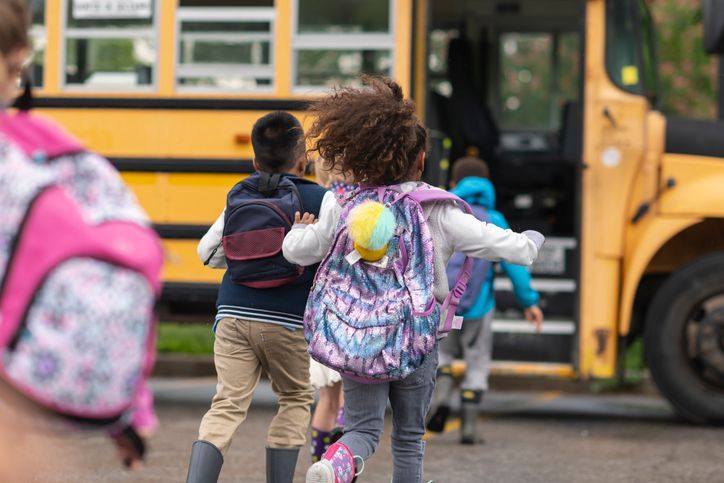
Young children need routines, and having familiar home routines can be comforting, especially during times of change – such as starting kindergarten. By having predictable routines for the mornings, afternoons, and evenings, children can feel safer and happier, which often leads to positive experiences at school. Daily routines can also help children make a smooth adjustment to new settings. When kids (and adults) know what to expect each day, to feel more comfortable and confident, and ready to face the school day with success! Morning Try to give yourself a little cushion of time in the morning, even if it’s just by making sure you and your child wake up five or ten minutes earlier than needed. Many kids need help with transitions, and mornings before school can often feel busy with multiple transitions. To get everyone out the door on time, leave extra time, be clear about expectations and talk to your child in advance about the morning routine, such as getting dressed, eating breakfast, brushing teeth, and putting on shoes. Talk to your child about their fun day ahead or ask about how they slept. This can help your child feel more connected to you, and by getting them into a positive mindset, they may be more motivated during the morning routine. Finish each morning by saying goodbye, whether it’s by a big bear hug or a simple wave through the window. Remind them about who will be there when the day is done. After School Teach your child how to hang up their backpacks and jackets and put away their shoes when they come home. Most kids come home hungry after a busy day offer them water and a healthy snack that will fill them up until dinner, such as whole grains, fruits, and/or vegetables. Keep in mind that at the end of a full day at school, your child will most likely be ready for some free time and relaxation. Allow them to rest and recharge before starting the evening schedule (for example, before homework, dinner, and their bedtime routine). Nighttime The night before school, set out clothes, make lunches, and organize your child’s backpack for the next day. This can help to save time in the morning. Set a predictable pre-bedtime routine to allow children time to get sleepy on their own. For example, if your child knows that they’re going to take a bath, brush their teeth, and hear a bedtime story before light’s out, it serves as a sort of warning before the abruptness of sleep. One of the best ways to guarantee a good day at school is by ensuring your child has a good night’s sleep. A bedtime routine should involve screen-free time to help them wind down, and a cool and comfortable bedroom that is dark, with minimal distractions. By following a routine at home, your child will learn that they will be following routines throughout the school day as well. Educational environments usually follow a typical daily schedule (such as circle time, lunch, recess, centers, etc.), which can provide structure and comfort to young children. By being proactive and setting a familiar routine at home, this can set your child up for success and help their school day go more smoothly. Additionally, aside from ensuring school success, family routines help to keep life organized, and children do best when routines are regular, predictable, and consistent. For more back to school resources, visit our Transition to Kindergarten page at https://www.elcpalmbeach.org/transition-to-kindergarten .

For families that live in a place such as South Florida, where summer thunderstorms and hurricanes are expected, it’s normal for kids to feel anxious when bad weather approaches. Even when storms come with some warning, it’s easy to be involved in the news and general discussion of storm prep. The best way to support children and any fears about storms is to prepare, focus on what you can control, and communicate as a family. It’s okay to feel a little nervous, but by knowing what to expect and remaining calm, you can help your child through any weather that comes your way! Before a Storm Summer thunderstorms and hurricane seasons are common in our area; you can talk with your kids about these types of storms ahead of time, including what could happen, while using terms that are easy for them to understand. For example, you can let them know that while thunder and lightning may look and sound scary, staying inside will help keep everyone safe. Explain to your child what your family will be doing to get ready, and let them help with age-appropriate tasks, such as packing storm kits equipped with flashlights, batteries, canned foods, first-aid supplies, bottled water, phone chargers, and formula and diapers for infants. You can also have your child help secure the house and yard by moving in items like bikes and toys and clearing away big branches. If your child still seems afraid, have them focus on the positive, like picking out fun snacks to eat or favorite board games to play while staying inside during a storm. Ask them what they are afraid of and encourage them to talk - sometimes, just having your child share their fears and showing them that you’re listening can help them feel less worried. During a Storm Let your kids know that it is possible you may lose power for a while. Have books, board games, puzzles, and art supplies ready for unexpected downtimes, as well as plenty of flashlights. Remain calm; your kids will most likely be watching you for clues on how to act while a storm is brewing outside. Give kids tasks they can do, such as filling up a bathtub (and explaining that you can use the water for flushing toilets, if needed) or keeping a pet calm. If your child has a job to do, it can help them feel more in control of the situation. Join your child in performing relaxing activities, such as taking deep breaths or snuggling up together and telling stories. After a Storm If a storm does affect your area, talk to your kids about what happened and stick to the facts. Encourage them to ask questions and share how they feel - if your child tells you that they are upset or scared, let them know you understand, and reassure them that the storm has passed and that they’re safe. Turn the storm into a learning experience! Check out weather-related books from the library and read them aloud together. Knowledge is power, and learning the science behind storms can make future ones less scary. If the power goes out or trees are blocking the roads, show your child how everyone comes together to help, including firefighters, power company workers, and neighbors. If it’s safe, have your family think about ways to help others in and outside your community! Consider donating canned foods or clothes to those in need or participating in neighborhood clean-ups. Keep in mind that while getting your family involved in preparing for a storm can ease some of their anxiety, they may still be nervous. Let your child know you are there to talk with them about any fears they may have. The Red Cross has full supply lists online, which you can go over with your children to ensure you have everything you need: https://www.redcross.org/get-help/how-to-prepare-for-emergencies/survival-kit-supplies.html . Also, if your home or neighborhood has damage after a hurricane, be sure to check the Centers for Disease Control and Prevention (CDC)’s tips on how to stay safe: https://www.cdc.gov/hurricanes/safety/how-to-safely-stay-safe-after-a-hurricane-or-other-tropical-storm.html . For additional information related to child care closures and safety information, our Child Care Resource & Referral team is always available at 561-514-3300.

Traveling with young children can be fun, and challenging. Our family took a big trip this summer with our young child, and while we did enjoy ourselves and all returned home in one piece - it took a LOT of planning to make sure the long plane, car, bus, and train rides went smoothly. Whether you’re going out of the country, state, neighborhood, or just taking a long commute to and from summer camp, here are some tips to get you through trips with young children, especially those (like mine) who may need more stimulation than simply looking out the window. Safety Tips If riding on a plane with a child under 40 pounds, you can bring a Federal Aviation Administration (FAA)-approved car seat for them to use on the plane. If riding in a car, kids should use car seats or booster seats if they haven’t reached the age or height requirement for a regular seatbelt. The American Academy of Pediatrics (AAP) recommends that kids under 13 years old always ride in the back seat. Make sure your kids understand the importance of staying calm in the backseat, and to not distract the driver. If riding in a bus, wait for the bus away from the street. Kids must wait until the bus driver opens the door and gives them the okay to board. If the bus has seatbelts, make sure everyone is buckled before the bus leaves and stays buckled until the bus arrives at its stop. Boredom Busters During long plane or car rides, have plenty of activities and supplies at the ready, especially books, coloring books, travel-sized games, fidget toys, water, and snacks. We let our child pick out a few of his smaller cars and toy vehicles to take with him as well, but avoided ones with loud noises, so as not to disturb fellow passengers (too much). Let your child know what to expect on their trip and show them pictures of the fun things and places, and people you plan to visit! Talk about new experiences , such as going to a water park or riding a train for the first time, and if they’ll be meeting new friends or family members, go through photos and tell stories of them with your child. Visit the library to check out copies of books and music before you go on your trip. Also, search out rest areas for free paper maps, so they can follow your route on their own and circle local attractions they may want to visit. Snacks and Travel Hacks Having snacks during your journey will not only help keep your child fed; it will keep them occupied. Include a variety of food options such as fresh fruit, healthy nuts, sweet treats, and crackers. Different options can increase your chances that you’ll have something everyone wants to eat, and you can even have your children help you pack the road trip snacks ahead of time. Pack other essentials that will be easily accessible to you during your trip, such as a change of clothes, wipes, plastic bags for sudden illnesses or messes, and a first aid kit. If your child grows tired of their usual toys and books, try to bring along a new toy and have them open it during times of waiting. An inexpensive new book or game may keep your child’s attention longer. Traveling gives you and your child the opportunity to learn and grow. And while traveling will come with lots of excitement and stories for your child to tell when they return, it can also help teach patience. Children will learn what to do during times of waiting and will learn to be flexible if something doesn’t go as planned. Remember to communicate with your family, even when challenges arise; it’s possible that your whole family will be experiencing new schedules, food, cultures, and/or traditions for the first time. And while traveling with young children may feel overwhelming at the time, you’ll be sure to have wonderful memories that last a lifetime! For more tips and family resources, keep up to date on our Family Resources page: https://www.elcpalmbeach.org/family-resources .

Though summer comes with many exciting thoughts of easier days, fun activities, and sleeping in, it’s important to remember that kids do better when they have structure and routine. You can still have fun! You don’t have to plan big or expensive summer vacations; sometimes, little things such as trying a new food, reading a new book, or time with family and friends is what children remember the most! The best part of summer is having the chance to play freely and learn as a family. Here are some strategies to achieving a successful summer break that will include moments of learning and development, while also providing organization and support. Maintaining Routines While duplicating the school day routine is a little extreme, it can be good practice to maintain the usual mealtimes and bedtimes kids follow during the school year. Sticking to the same schedule can help keep your child more comfortable and cooperative, especially when summer comes to an end. When scheduling activities and plans, make sure you and your family are on the same page. Have a set routine, whether it involves day camp, or going to the playground or pool at an allotted time each day. Outdoor and Indoor Activities Screens can be tempting during the summer; try to find something outside to do each day, such as riding a bike or scooter, playing at the playground, or swimming at a community pool or beach. Physical activity will be good for the whole family and will help young kids burn off energy. Some other outdoor ideas include going on a family nature walk, going stargazing in the backyard at night, and reading a new book outside. When rainy weather drives the family indoors, use this time to learn some new dance moves (music and dance encourages self-regulation and flexible thinking in children); trying a new recipe in the kitchen; or taking advantage of downtime to let your child get creative and play independently. A Refresher on Summer Safety Tips Put on sunscreen any time you are outdoors and stay hydrated. Be vigilant about water safety. Enroll your child in swim lessons, assign an adult as a “water watcher,” and have your child wear brightly colored swimwear than can be easily spotted in a pool or open water. Know the risks and signs of heat exhaustion; especially in South Florida, it is important to seek frequent respite from the sun. Never leave pets or children unattended in a car. Remember, even if a summer activity may seem small to you, little moments can lead to plenty of fascination and discovery for kids! The most important parts to having a successful summer include spending time together as a family, staying safe, and keeping those school-year routines in check. For more information on transitioning to school when summer ends, check out the resources on our Transition to Kindergarten page here: https://www.elcpalmbeach.org/transition-to-kindergarten .

One of my favorite things to do all year round is to get lost in a good book. It has always been my hope that this passion for reading will get passed on to my child, especially during the summer months, when countless other activities and technological devices are competing for our attention. Summer reading can benefit children by not only encouraging lifelong reading habits, but by keeping up skills during the summer break from school. Visiting the local library is a great way to cool off and explore different stories, but there are also lots of fresh ways to make summer reading fun, imaginative, and educational! Make Summer Reading Fun! Read aloud together as a family. Reading aloud helps build vocabulary, language, and encourages family bonding time. It is also one of the best ways you can improve your child’s reading skills. Don’t be afraid to get silly by acting out the stories or trying out different voices for different characters. Listen to e-books or story time podcasts. Sometimes, if a child isn’t immediately interested in the idea of reading, introducing a story on a device can make the activity feel more appealing. Check your local library’s website to access a free digital subscription service for kids to borrow e-books, e-comics, and e-magazines. Additionally, you can search the “Kids & Family” category in your mobile phone’s podcast app, grab some headphones, and listen to a story no matter where you are. If your child is feeling cooped up indoors, take story time outside! I always love to lay with a good book in the warm weather. If the weather is too hot during the day, you can read outside at night; just bring a flashlight! And no matter what time of day you decide to venture outdoors with a book, don’t forget the bug spray, the sunscreen, and water to stay hydrated. Our local libraries have a summer reading program, which not only makes reading more interactive, but typically comes with built-in incentives. Finding the Right Book for Your Child Make sure the book is both something your child wants to read and is at the right level for your child. Identify a genre or topic that sparks your child’s interests, such as fantasy or action adventure, and start your search. For young children, the same book may be on repeat, especially if there is a favorite character or story. That will change over time. How to Beat the Summer Slide by Reading During the school year, many books may be available in your child’s classroom or school library or will be assigned to them as classwork. During the summer, make frequent trips to your local public library and have plenty of books lying around the house that a child can pick up at any time. For more literacy resources, check out BookSmart ( https://booksmart.worldreader.org/en/BookSmart/Welcome/Start ). Reading doesn’t have to be limited to books! Magazines, comics, and graphic novels can take the place of traditional books and are great for giving children a solid reading experience, as well as a break from some of the lengthier, more challenging books they may have been reading in school. Children can even create their own stories, drawing their own pictures and using their words! Talk about the stories or what they are reading. Kids will appreciate your interest, and it can give them a chance to wonder. This also doubles as way to encourage your child’s reading comprehension! The more you encourage your child in different ways, the more you’ll encourage a lifelong habit of reading that will serve them through school and through life. By ensuring your child has opportunities to practice their growing reading skills during the summer, they can progress and keep what they gained during the rest of the year.

When I was a child, I was very shy and had a hard time making friends. In fact, when I was in the third grade, my parents called my teacher and asked her to sit me next to a student with similar interests to mine, in the hopes of helping me make a friend. Luckily, with the help of my family, making friends came more naturally to me as I got older. Making friends in school is just as developmentally important as getting good grades; learning how to form successful peer relationships is a skill that a child will learn and refine their whole life. And while parents can’t make friends for their child (as much as we may want to), there are some ways we can help our children develop and practice social skills. Tips for Little Ones on the Shy Side Don’t worry if your child is not a social butterfly - some children just need more time to warm up than others, and some just prefer playing on their own to being in a big group. However, it is also important to give shyer kids opportunities to meet new kids and help them learn how to get more comfortable in social situations. If your child is willing, sign them up for clubs and activities. These are great ways to meet and make new friends, since they usually provide built-in structure and include kids that have a common interest with your child. Let your child know what to expect before attending a birthday party or other large gathering. Explain that it may be loud and let them know it’s okay to take a break in a quieter space if they need it. If possible, arrive early to show them the environment before the excitement, and let them know who will be there and what may happen, such as cutting a cake and opening presents. Take baby steps, and praise your child for every social success. even if all they did was sit on the outskirts and watch others playing. Tell them how proud you were that they went over to grab a slice of pizza or gave the birthday girl their present. Building Social Skills Be present and available when your child is playing with others. This can allow you to see how your child interacts with other children. If your child is very shy, you can help them warm up initial interactions by pointing out a favorite character that is on another child’s clothing, or by noticing similarities (“Look, she likes sliding down the slide, too!”). Practice social interactions at home. Explain to your child how to take turns and share during family playtime, and do some role play or “social scripts” that your child can use when interacting with other kids on their own. (For example, you can have them practice saying, “Hi, I’m Landon, what do you like to play?”). Host playdates in your own home, or in an environment where your child will feel more comfortable. Stay nearby to supervise, but let your child flex their social muscles on their own. Afterwards, you can both review how it went and what behaviors you want to focus on in future playdates. It’s OK to be Quiet! Remember, every child is different, and it’s okay if your child is not the type to dive right in to parties and large gatherings. It’s also important for parents not to place their own social expectations on children; your child doesn’t need to be the most popular kid in the class- if one or two good friends is all your child needs to be happy, that is perfectly okay. With parenting, it’s hard to know when to push your child, and when to gently back off. Try to reach a middle ground by starting with very short play dates, or going to a party with your child, but leaving early. It can be hard when you see other kids seemingly jump into every social interaction with ease, but r emember that you and your child are both doing great and will learn how to overcome social challenges as they arise. If you have questions, you can always reach out to one of our Child Care Resource and Referral specialists for support. Call 561-514-3300 or visit https://www.elcpalmbeach.org/child-care-resource-referral .

Transitioning your child to kindergarten is a big and exciting step. The Coalition and the School District of Palm Beach County are here to support! Being prepared can help ease nerves for both caregivers and children. The tips below focus on the excitement and positives of this new chapter in your child’s life! Helping Your Child Prepare There are certain skills and abilities that you can help your child prepare for school. Keep in mind that these skills and abilities are suggestions, and that it is okay if your new kindergartener is still learning how to master certain subjects and tasks. Help your child practice their social and emotional development giving them opportunities to play and interact with other children. This gives them time play cooperatively and take turns. Before kindergarten, have your child practice eating and drinking without assistance, as well as using the restroom, attending to personal hygiene, and dressing on their own. Early ways to prepare for language, literacy, and math skills include identifying letters, writing their name, counting, and identifying basic shapes such as a circle, rectangle, and square. Check out Palm Beach County’s Kindergarten Power Standards for more recommendations. These were developed by early learning educators and Kindergarten teachers as a simple guide for families: Kindergarten Entry Expectations Final copy.pdf (palmbeachschools.org) . Other ways to prepare for kindergarten include visiting a local library to check out books and reading stories about starting kindergarten. About two weeks before school starts, start an evening and morning routine to practice getting ready for bed at night and out the door in the morning. If your child’s school offers a back-to-school event, attend with your child, and meet the teacher. Do a “dry run” to show your child how school drop-offs will look. Make sure your child and their teacher know how they will be getting home. Most important of all, be positive and celebrate your child having a great first day! How to Find and Register for Your School The School District of Palm Beach County has put together a great guide on how to register your child for kindergarten, which can be found here: https://www.palmbeachschools.org/Page/6884 . See below for a quick overview: Your child must be 5 years old by September 1 to register for kindergarten. Find your zoned school here: https://arcgis.palmbeachschools.org/arcgisportal/apps/webappviewer/index.html?id=4ba2309b027c4606999d9a5a4d84778f . You can then register online on the Palm Beach County School District’s website, or in-person at the school Monday-Friday during school hours. A registration form can be found on the School District’s website, or at the front office of your zoned school. Gather all required documents to complete the enrollment process, including: o Proof of birth (birth certificate, passport, or religious records). o Proof of residence in Palm Beach County (two current documents reflecting the correct residential address, such as a driver’s license, electric bill, credit card statement, etc.). o Proof of required immunizations from the child’s doctor. o Proof of a recent physical exam (due within the first 30 days of school). Information on events to meet school staff, learn about the kindergarten curriculum, and getting acquainted with the school’s programs and services can be found here: https://www.palmbeachschools.org/Page/12406 . If you are interested in your school’s after-school program, visit https://www.palmbeachschools.org/Page/1211 . With preparation and family support, you and your child will be able to master the big transition to kindergarten together! For more tips on transitioning to kindergarten and registering for school, visit our webpage here: https://www.elcpalmbeach.org/transition-to-kindergarten .

While it may only be April, summer temperatures have already arrived in South Florida! This time of year can be slightly challenging when planning activities; you have to consider protecting yourself and your children from the hot sun, staying safe while cooling off around water, and what to do indoors when those inevitable afternoon storms roll in. So, how to strike the balance between soaking up the longer days, having fun, and keeping everyone in the family happy? I don’t think the perfect answer exists, but below are some tips that can help as we move into the warmest months of the year: Outdoor Safety Tips When it’s bright outside, and the sun doesn’t set until 8pm, of course it’s great to spend time as a family outdoors! Whether you go for an afternoon walk, a weekend trip to the playground, or break out the bicycles and roller-skates, there are some things to consider when spending an extended amount of time in the sun. Always apply sunscreen and bring lots of water when spending time outdoors. The sun is hottest from 10am to 4pm, so apply and reapply sunscreen diligently- even on cloudy days. Remind your children to stay hydrated and bring plenty of extra water to refill water bottles. When riding bikes, always have your child wear their helmet, and stick to the sidewalks and low-traffic areas as much as possible. Always supervise children when at the playground and check the equipment (especially those made from metal) to make sure it’s not too hot and won’t cause any burns. Use insect repellent to protect your child from outdoor pests. Water Safety Tips My family and I love to spend time at the pool, beach, and waterparks during the summer. For children who don’t know how to swim, or are new swimmers, it is important to ensure they are always supervised by an experienced, undistracted adult and wear protective float devices, such as life vests. Here are some other tips to keep in mind: When swimming at your home or visiting somebody else’s home, make sure all pools and hot tubs have a fence around them with a self-closing, locked gate. If there is no fence, make sure pools and hot tubs are securely covered when not in use. Look into scheduling swim lessons for children starting when they’re at least 1 year old. For Palm Beach County residents, the Drowning Prevention Coalition offers free or reduced swim programs for eligible families. Check out the requirements here: https://discover.pbcgov.org/drowningprevention/Pages/default.aspx . You can also check with your local recreation center for free or reduced rate lessons. Teach your children to walk around or near the pool. If there is bad weather and lightning in the area, have everyone exit the water immediately. When visiting beaches and lakes, try to find an area with lifeguards on duty. Make sure to follow any safety signs, such as not swimming where there could be dangerous wildlife, or being aware of rip currents, large waves, and other hazards. Indoor Play Ideas Every Florida summer, like clockwork, comes an afternoon downpour. Even if they don’t last long, it’s best to avoid the weather by playing inside. Movies, tablets, and online games can entertain kids during these times, but if you want to try something that doesn’t involve a screen, here are some indoor play ideas: Read together as a family or take shelter in a library. Break out toys that haven’t been played with in a while, or toys that require concentration and creativity such as puzzles, Legos, and arts and crafts. Have an indoor dance party with music, bubbles, glowsticks, and whatever else you can find- anything to burn off energy! When you can’t visit the pool or beach, fill up the bathtub! Under your supervision, have kids play with their water toys in the bath. Turn off the lights and break out glow-in-the-dark toys to create a fun, relaxing atmosphere. For more safety tips you can follow all year long, visit https://www.safekids.org/ , and keep an eye on our socials, blog, and Family Resources webpage for more summer safety information!

If you are the parent or caregiver for a young child in Florida, chances are you’ve heard of the Florida Prepaid College Plan. You may have seen posts about it on social media or heard about it from friends and family and may have thought - I’m not ready to think about college yet! Planning is always a good idea, and if you want to start preparing for your child’s future education, there is no better time than during Florida Prepaid’s open enrollment season. Open enrollment lasts from February 1 st to April 30 th - for 2024, plans start at $34 a month, and there is no application fee. New pricing is announced at the start of each annual open enrollment period. Interested in learning more? Check out some quick facts below! What Does the Plan Cover? A Florida Prepaid College Plan allows families to lock in college prices and prepay on a monthly or lump-sum basis. This covers the future cost of college tuition, tuition differential fees, local fees, and an optional fee for dormitory housing. Plans may be used during any academic semester, including summer terms, beginning in the summer of the student’s projected college enrollment year (generally, the year they are expected to graduate high school). If your child graduates from high school early, plans can be modified for early usage. What Schools is the Plan Eligible For? When your child is ready for college, the costs will be covered under your plan type at any Florida College or State University, even if the cost of college is higher than anticipated when your original plan prices were set. What if My Child Attends School Out-of-State or Receives a Scholarship? While Florida Prepaid Plans are designed to be used at a Florida College or State University, the plans can also be applied at other schools nationwide. If your student wishes to attend an out-of-state college or private college, the plan will pay the same amount as it would pay at a public college or university in Florida. If your child receives a scholarship, you can use that together with the prepaid plan to cover even more college expenses; or, you can get a refund for the same amount as the plan would pay at a public college or university in Florida. Every Prepaid Plan is guaranteed by the State of Florida to pay the tuition and fees covered by your plan, so you never have to worry about losing what you paid. Enrolling is easy- visit https://www.myfloridaprepaid.com/ to complete an application! Your student has 10 years from their projected college enrollment date to use the plan. For example, I purchased a plan for my own child when he was a newborn. That means the costs covered by Florida Prepaid are locked in until he is 28 (18 years until he can start college, plus 10 years after that to finish college). More information and an extensive FAQ section can be found over at https://www.myfloridaprepaid.com . Family resources, upcoming events, and trainings can also be found on our website.

March is Developmental Disabilities Awareness Month, and as a parent, it is always helpful to be aware of the milestones to expect as your child grows. Parents and caregivers often have questions about their child’s development and milestones. Each child does develop at their own pace. However, if you do have concerns, there are developmental screening resources, as well as supports for children and their families who need them. Developmental Milestones by Age Developmental milestones are skills or actions that most children can do by a certain age. Milestones show how your child plays, learns, speaks, acts, and moves. The Centers for Disease Control and Prevention (CDC) has a free Milestone Tracker app that parents can download to easily keep track of their child’s development from two months to five years: https://www.cdc.gov/ncbddd/actearly/milestones-app.html . Resources for Learning More About Your Child’s Development You know your child best. If you are concerned that your child may not be meeting certain milestones, or have questions about the way your child plays, learns, speaks, acts, or moves, don’t wait. Here are some things you can do: Share your concerns with your child’s pediatrician. The Warm Line service is available to any parent and early care and education provider who requests information related to disabilities and special needs of children birth to five years old. Call our Warm Line at 1-888-620-9190 for support or visit https://www.elcpalmbeach.org/inclusion ; our Early Intervention Department will provide information and resources to all who reach out. Visit www.cdc.gov/actearly or call 1-800-CDC-INFO for a free Learn the Signs, Act Early parent kit, and to get additional resources in your area. What to Ask Your Child’s Doctor When you schedule the appointment, tell the staff that you have concerns about your child’s development that you would like to discuss with the doctor. Write down your questions and concerns and take them with you to the appointment. Before you leave the appointment, make sure you understand what the doctor tells you and what to do next. If you do not understand something, ask the doctor to explain it again. Remember, developmental milestones account for an expected range of skills and shouldn’t be viewed as exact deadlines. However, if you have any concerns at all, there is no harm in setting up an appointment with your child’s doctor or visiting us at https://www.elcpalmbeach.org/inclusion for more resources. Acting early can improve your child’s academic and social success. Also, having peace of mind by knowing you are prepared to support your child will do wonders for their developmental health!

As parents, we want our children to be happy, healthy, and life-long learners. A great way to grow those little minds is by reading to them! Research in early brain development shows that there are some things parents and caregivers can do right away when it comes to introducing your child to books. You can start by letting babies simply hear your voice, and then by giving your baby durable board or bath books to hold. Even if the books end up in your baby’s mouth (which they probably will), this will encourage their interest and allow them to turn the pages by themselves. Below you’ll find more information on what babies learn when we read to them. Start Reading at an Early Age When you read aloud to your baby, it may not seem like much is happening; in fact, you are building language, imagination, literacy, and social-emotional skills! When you read aloud to your baby, they may begin to babble and imitate your words, as well as smile at the sound of your voice! Reading aloud together also counts as a great bonding experience, and introduces concepts such as numbers, letters, colors, and shapes. The more stories you read to your baby, the more words they will hear, and the better they’ll be able to communicate! Parents and caregivers can also: Talk to your baby about what they see around them, whether you’re at home, running errands, or on a walk. Soon enough, they’ll start to connect the words with the objects you point out. When taking a break from reading, try rhyming, singing, or just cuddling with your baby throughout the day. This will teach them that words can be used in many fun, different, and playful ways! Make reading part of your nighttime routine. Reading a book before bed can help to soothe your baby, especially if you read a calming story in a low, comforting voice. Finding the Right Book for Your Baby While it doesn’t matter what you read to your baby, there are certain books that little ones seem to prefer. Here’s what to look for when picking out a book for your baby: As mentioned above, durable board and bath books work best for babies who have curious mouths, new teeth, and lots of drool. Books that have plenty of color, simple objects, and pictures of faces can be more appealing for babies. Books that contain familiar, repetitive, and rhyming text work great at piquing and holding your baby’s interest. How Does Early Reading Help Your Baby’s Development? Every time you read to your baby, they will learn new words and how they are used. They will learn that they can explore books by tasting and touching them, and that if they do something, another thing will happen; for example, if they point at a picture, mom or dad will tell them what the picture shows. Listening is a big part of learning and understanding language, and reading together with your baby will help them connect books with positive experiences. As they grow, they will be likely to pick out books and read on their own! Remember, reading for a just a few minutes at a time is okay, and don’t worry if you don’t finish the story! Babies and young children can only sit still for a short time. Let them decide how much or little time you spend reading together. You don’t need to read every page- you can switch books or stay for a few minutes on your baby’s favorite page. Let your child explore books in ways that interest them, and let the experience be a great one! Happy reading! For free resources and activities on reading aloud to babies and young children, visit https://www.readaloud.org/index.html . For more resources and tips, please connect with our socials and the Powerof15 reading campaign: https://www.readaloud.org/whyanationalcampaign.html

As parents and caregivers, we naturally want our children to succeed in everything they do. However, learning how to overcome setbacks is also a valuable skill. When kids know that everyone struggles sometimes, even grown-ups, they’ll be able to gain the self-confidence to try again. Whether it’s learning how to ride a bike, completing homework, or reading a new book, it helps that we guide our children and teach them if they don’t succeed the first time, to try again! Celebrating success while managing expectations and high emotions can be challenging. Some of the tips below may be helpful in making sure your child is confident in school and in life! Boosting Your Child’s Self-Esteem Between the ages of 3 and 5, kids start to develop of sense of self and how they fit into the world around them. By building their self-esteem and self-confidence at this stage, we can teach kids how to believe in themselves and show them that they are important. Here are some ways to help boost their self-esteem: Let them lead. Encourage children to engage in self-directed (or independent) play. This will encourage them to come up with their own ideas and will give them more confidence when playing with friends in the classroom. Notice their efforts. Point out and celebrate when you see your child working hard at something. This can help them enjoy themselves in the moment, rather than focusing on the outcome of their goal. Model confidence yourself; set a good example for your kids by showing them that not everything has to be perfect. You can tell them that you get frustrated too, but that it is important to learn from mistakes and try again! It’s Okay to Make Mistakes! Celebrating Disappointments and Successes Learning new things can be frustrating! A little empathy goes a long way to help kids gather their courage to try again. Let your kids know that it’s okay to feel frustrated, and either offer suggestions on how they can try again or suggest taking a break. For example, if they were building a big block tower which then fell over, your child may need to wait until they are less frustrated before trying again. Calming big emotions often needs to happen before children can problem-solve. When they do succeed in building a big tower, you can celebrate their achievement! You can also: Use descriptive praise to show kids that you are giving them your full attention and that you see how hard they’re working. For example, instead of “Good work!” try “Good work figuring out how to share your toy with your friend!” Help your child focus on what has gone well rather than what went wrong. If they were practicing riding a bike, but kept falling over, stay positive; let them know you’re proud of them for learning a new skill and that you can see they’re working hard. Continue showing unconditional love and share that love often. Tell your kids that you are proud of what they accomplished and of who they are. By sharing our love, their confidence will soar! How Confidence Can Help in the Classroom When kids work through challenges, both big and small, they are building skills needed to learn how to persevere in a task. This isn’t a skill that kids are born with, but rather, one that they develop as they continue to experience and practice new things throughout their life. Learning how to keep going will be helpful in school classrooms as kids encounter new subjects and new tasks. When children can name goals that they want to accomplish (for instance, reading a chapter book for the first time, or figuring out a math problem on their own), it will help them to focus their attention, and find ways that they can reach their goal. Learning that results aren’t always right away and that some things take extra effort is an important skill that will help them thrive as they learn. When kids have opportunities to learn and succeed, they will feel confident to take on bigger challenges as they grow. Whatever children do, when they have the love and support of caring adults by their side, they will do great things- from preschool all the way through life! For more parenting tips and ideas, keep up with with our Family Resources page and stay tuned for future workshops that will help your child to grow and succeed.

Finding quality care for your child may seem like a simple task, but many parents (myself included) are quickly surprised by all the factors involved when choosing quality child care. Once you decide on which type of child care setting is best for you, many parents then must consider the cost and location, followed by making sure the child care staff are properly trained, whether or not the home or center is licensed, and if the environment is the right fit for your child’s needs. Here are some things to keep in mind when “shopping” for child care. Types of Child Care & How to Find a Site Before starting your search, you’ll want to determine which program’s setting meets your child’s needs (such as a home environment versus a classroom setting), the size of the program, and the space and hours it has available. Child Care Centers - Centers can serve children of a variety of ages and can include full and part-time care. Child care centers may be right for you and your child if you prefer a structured, classroom-like environment with groups of children their same age, a wider variety of equipment and activities, and many adults present. Family Child Care Homes - Family Child Care providers care for a small group of children in their own private residence. Family child care homes may be right for you and your child if you prefer a home-like setting and small group size, and more consistency. Head Start and Early Head Start Programs - These programs are free and federally funded, and they are designed to promote school readiness for families that meet income eligibility requirements. To learn more about Head Start and Early Head Start, visit us here: https://www.elcpalmbeach.org/EHS . To find the child care option that’s best for your family, you can start by calling the Early Learning Coalition Child Care Resource and Referral line at 561-514-3300 to receive information about choosing child care and a personalized child care listing. Review the information provided for each site, including their licensing status, inspection reports, and quality ratings. You can then contact the individual centers you are interested in and find out about their availability, hours of operation, and cost of care. Finally, schedule a time to visit the center to experience the environment firsthand. Questions to Ask & Things to Look For Is the program licensed? Licensing is the main way states and territories regulate child care to ensure children stay healthy and safe. Not all child care options are required to be licensed, so it is important to check what the status is for the program you are considering. Does the program accept financial assistance, or participate in any financial assistance programs? Ask about teacher to child ratios, education, and training requirements for staff. Do program staff undergo background checks as part of the hiring and screening process? Does the program provide meals or snacks? What are the program’s pick-up and drop-off procedures, safety measures, and emergency planning procedures? After visiting the child care site, ask yourself how you felt- did you feel welcomed? Were the children happy and engaged in age-appropriate activities? Which of the providers that you visited made you feel the most comfortable? You can download a tip sheet of additional things to look, listen, and ask for at your child care center here: https://childcare.gov/consumer-education/choosing-quality-child-care-tip-sheets . Additional resources are also available at the Division of Early Learning’s website: https://www.fldoe.org/schools/early-learning . Resources & Financial Assistance If you need assistance paying for child care, there are programs that can help. You may be eligible for vouchers, certificates, or subsidies. Some local nonprofit organizations and child care providers may also offer fee assistance or scholarships. The Coalition’s Child Care Resource and Referral team are always available to provide you with information, financial advice, and any other questions you may have! Visit us online at https://www.elcpalmbeach.org/child-care-resource-referral or call 561-514-3300 . We are here to help you every step of the way!
If you are a parent with a child attending Voluntary Prekindergarten (VPK) in Florida, you may soon hear about something called the FAST Assessment. FAST stands for The Florida Assessment of Student Thinking. It is the assessment for Florida for VPK through grade eight in Math and VPK through grade ten in Reading. The Star Early Literacy Test is the version of FAST used in all Florida Voluntary Pre-K programs. It is aligned with Florida state standards. It is used to understand each child’s knowledge, skills and abilities in early literacy and math skills. The STAR helps VPK teachers meet each VPK student where they are and plan learning activities. FAST Assessment Overview The FAST is given three times during the VPK year: In the fall, winter, and spring. The assessment is typically taken online, with the child using a computer or tablet, and is most often administered in the fall, winter, and spring of the school year. Your VPK Provider can answer more specific questions on how the assessment is given. Here are some other FAST facts: Their score will indicate one of the four reading levels: Early Emergent Reader, Late Reader, Transitional Reader, and Probable Reader. The FAST assessment will assess skills such as general readiness, phonics, vocabulary, and early numeracy. How Can I Prepare My Child? When thinking about your child’s assessment, it’s good to remember that every child learns and develops at their own pace. You can always speak to your child’s teacher and VPK program for more information about what they are doing in the classroom. Some general tips include: Reading aloud together for at least 15 minutes a day. Talk with your child and ask questions that encourage them to talk. Count and sort everyday items at home. Resources The Coalition is here to support you in getting your child ready for VPK and kindergarten! Parent workshops, such as Anytime is 3Ts Time, are available for you as parents and caregivers with tools that promote the development of children ages zero to three, using the 3Ts (Tune In, Talk More, Take Turns). Our Play & Learn Groups help children learn through play and practice being with their peers. The skills learned through these workshops can help your child as they navigate both the classroom environment and the FAST assessment. Current and upcoming trainings can be found on our Family Resources page. Assessments are important tools that will give you a lot of useful information about your child. You will discover how your child learns best and what they are on track to learn next. If you have any questions, reach out to your child’s VPK provider or give us a call at 561-514-3300; we are here to support you and your child!

Black History Month is a great time for you and your family to celebrate African American heroes who have made a difference in our world. Through conversations, books, and activities, we can teach our children the importance of black history in our community and beyond. Connecting through Reading and Activities By kindergarten, many children have heard of Dr. Martin Luther King, Jr., and how he was an advocate for peace and equality. You can also seek out books that celebrate other public African American figures, such as civil rights activist Rosa Parks, former President Barack Obama, and Poet Laureates Amanda Gorman and Maya Angelou. The local libraries have many books and activities. as well as read-alouds and other activities that feature different cultures and races. Here are some other criteria to consider when looking for books that celebrate Black History Month: Check out books written by black authors or illustrators- this is a fun and easy way to help children start exploring the experiences of characters from different backgrounds. Historical biographies of black public figures are great choices; however, you can also look for contemporary stories that celebrate black culture and experiences. Many libraries in Palm Beach County have great resources and events for Black History Month! Check them out here https://pbclibrary.bibliocommons.com/v2/events?programs=646657d115e0d23700a26282&_gl=1*1ci5q8o*_ga*ODkyMDE1NTcuMTcwNDM3OTAzOQ..*_ga_G99DMMNG39*MTcwNjI4NDE2My40LjAuMTcwNjI4NDE2My4wLjAuMA and stay tuned to the Coalition’s Facebook and Instagram pages for more on Black History Month. Palm Beach County has many activities available for all ages. Check out: Celebrate Black History in The Palm Beaches

Every year, my family celebrates the New Year twice - once on January 1 st , and again on Chinese New Year! Chinese New Year, also known as the Lunar New Year, follows the lunar calendar, and this year it lands on February 10th, 2024. Lunar New Year is celebrated by millions of people around the globe, particularly in Asian countries such as China, Korea, and Vietnam. Each year in the lunar calendar is related to an animal, and 2024 is the Year of the Dragon! While every family will have their own unique traditions and meals, Chinese New Year is all about celebrating and spending time with family and friends. Traditions Our Chinese New Year traditions are observed to bring us good fortune for the year ahead and avoid bad luck. One thing I learned when I started celebrating with my husband’s Taiwanese family was not to clean on Chinese New Year - because it is believed you may sweep or throw away good luck! Now, I always take that day off from cleaning, even if it means letting the laundry pile up. However, I make sure our red clothing is cleaned in advance and ready to wear on Chinese New Year - red is a lucky color in China, because it represents happiness, success, and good fortune. Our family also tries to wear a piece of red clothing on other days of the year when we need an extra bit of luck. Another tradition, which the children in our family especially love, is the distribution of red envelopes. Grown-ups give what is known as “lucky money” in red envelopes to children to pass on good fortune and blessings. It’s important for us to always make sure the bills in the envelope are new and crisp, and that we should avoid dollar amounts that include the number four, which is considered an extremely unlucky number in Chinese culture (on the flip side, the number eight is the luckiest number). Food Food is a very important part of Chinese New Year- and if you ask my child, it’s probably the most important part. Typically, our family gathers for a big dinner, where traditional Chinese dishes such as spring rolls, noodles, and dumplings are served alongside items that have specific meanings and are thought to bring good fortune. For example, Chinese New Year for our family always involves plenty of oranges. Oranges symbolize good luck because the fruit resembles gold. My Mother-in-Law also prepares red bean buns, along with rice cakes and long noodles. These long noodles, also known as “longevity noodles,” represent a long life. We make it into a fun game and try not to cut or bite the noodles into pieces- it’s thought that the longer the noodle, the longer your life! Celebrations Chinese New Year festivals are often filled with lots of color, fireworks, and parades. Many Chinese restaurants and institutions will have a dragon dance, which is accompanied by dancers, acrobats, and lots of music. Chinese New Year celebrations are fun for everyone of all ages and cultures to attend! You can also bring the festivities of Chinese New Year into your home by making your own Chinese paper lanterns, fans, and red envelopes. Check to see which Chinese New Year Events are happening at your nearest library: https://pbclibrary.bibliocommons.com/v2/events?q=chinese%20new%20year . Our Family Resources page is available to check out additional events, information, and training on a variety of topics!

February is National Children’s Dental Health month! In addition to being good for smiles, healthy teeth help children to chew and speak clearly. Even babies and young children should have their teeth brushed and their gums cleaned, so that one day, their baby teeth can make way for healthy adult teeth. In addition to brushing well, you can help keep your child’s teeth healthy by limiting sugary foods and drinks, and steering clear of sticky foods. There are easy ideas to ensure your child’s smile stays shiny and strong. Fun Tips for Brushing Teeth For some young children, brushing teeth is a learned skill. And as they get older, children may want to brush their teeth themselves, but don’t yet have the skills to get to all their back teeth. My child is at the stage of wanting to do everything himself, but he’s not great at brushing his own teeth, and is usually more interested in squeezing out way too much toothpaste. Here are some ways you can help make brushing fun and efficient: Choose toothbrushes with colors and characters that your child enjoys. For example, my child loves his Spiderman toothbrush. You can also buy toothpaste in a flavor your child likes- many come in flavors such as watermelon, cherry, or mint. Your dentist will tell you what the appropriate amount of toothpaste is depending on your child’s age- for many, it’s just a smear or pea-sized amount. Find a song that’s around two minutes long, and dance along while you brush your teeth until the song is over. This turns the act of brushing teeth into a dance party! Have your child look at their teeth in the mirror and count them. Practice different poses and smiling in the mirror and explain that brushing helps keep teeth nice and strong. Grab a stepstool and let your child stand over the sink while brushing and rinsing. If they want to brush their own teeth, go back over them yourself once they’re done. Going to the Dentist All new experiences will require some getting used to. For kids going to the dentist for the first time, it can be helpful for them to know what to expect. Here are some tips on how to prepare: It’s recommended that children visit the dentist when their first tooth comes through. Take this time to find a pediatric dentist that fits your family. Let the staff know that it is your child’s first time. ·Make the appointment at a time of day when you know your child will be feeling their best. This could be in the morning after a good night’s rest, or in the afternoon after a healthy lunch. Read books and show children pictures of what a dentist’s office looks like. Talk to them about the bright lights, the chair that moves up and down, and the trays of instruments that the dentist will use to look at their teeth. Model Good Dental Behavior You are your child’s first teacher, and the best thing you can do to promote good dental health is by taking care of your own teeth! Here are some things to keep in mind: Be calm and confident when taking your child for their visit. Brush your own teeth twice a day, and floss once a day. Brush your teeth together with your child. By being a good role model, we can show our children that everyone brushes every day! Brushing well, eating healthy foods, and scheduling regular dental check-ups go a long way in ensuring your child has a healthy mouth. For more resources on dental health, check out our Family Resources page!

Is reading often one of your new year’s resolutions? Well, you’re in luck- this week is all about reading! Reading is not only a lifelong skill- it is a cherished activity that can be shared within the family. Reading sparks imagination, helps children develop empathy, and learn more about the world around them. By having not only a week devoted to reading, but reading all year long, your child will be able to enhance their learning inside and outside of the classroom! What is Literacy Week? Celebrate Literacy Week, Florida! takes place the week of January 22-26, 2024, with the goal of promoting resiliency through literacy and good reading habits. This annual event has a different theme each year, and this year’s theme is Believe in Your “Shelf” – Building Resiliency Through Reading. This year’s featured book is The Little Butterfly That Could by Ross Burach, which explores themes of confidence, independence, persistence, and resiliency. However, you can read whichever book your child chooses- not only this week, but every week of the year. Magazines, graphic novels, and audiobooks count too! Why is Literacy Important? The benefits of reading go far beyond literacy! Reading can start early; simply exposing children- even babies- to words helps build their language skills, and even the experience of holding a book supports babies’ cognitive development. Reading helps children learn vocabulary and grammar, especially with words that they may not normally hear within their household. Books introduce new ways of putting words together, which helps children make sense of language and build knowledge on a variety of topics. In addition to language and vocabulary, reading can help children develop empathy. Stories can introduce children to characters whose lives are different from theirs, and help them better understand other people’s feelings, cultures, and lifestyles. At the moment, I like to use reading to help my child understand why sharing makes everyone feel happy! How to Include Reading at Home & On the Go Try reading aloud together as a family for a minimum of 15 minutes a day. You can read to your child or have them read to you! Of course, carving out a set time for reading each day is easier said than done- if reading at bedtime isn’t the best for your family, consider reading together at the breakfast table or after school. There may be days when kids want to read on their own, and that’s great! Having a cozy corner for reading can make it that much easier. For very young children, let them explore board books by holding them, practicing turning the pages, and pointing out the pictures to them. And if the books happen to end up in their mouth? No worries! Take story time outside! Grab a blanket and some books and find a shady spot in your backyard or at a park. Moving story time outside can let them wander while you read aloud- they’ll still catch the words and language! During literacy week and beyond, reading is a wonderful chance to let your child not only hear language but connect with parents and caregivers. At the Coalition, we celebrate literacy all year long! Visit our lending library at our Palm Springs office to check out free books and resources for your family: https://elcpalmbeach.library.site/
Voluntary Prekindergarten (VPK) is a free program designed for all four-year-old children in Florida, focusing on getting ready for Kindergarten. VPK is available regardless family income. It’s for all Palm Beach County and Florida families the year before kindergarten! VPK teachers are trained to set children up for academic success by exposing them to a classroom environment and supporting their learning. Kids will also learn from their peers and gain the social-emotional skills needed for kindergarten and beyond. Preparation and knowledge are the best ways to feel confident. Getting Ready Reading books can be a great way to help kids who may be a bit nervous about going to VPK. Check your local library or online for stories about other kids who are starting school too! Try to schedule a time for you and your child to meet the teacher and tour the classroom before the first day. An alternative option is to give your child an idea of what their schedule may be like; ask your child’s VPK program for a sample schedule. Communicating with Your Child’s Teacher Teachers aim to work with parents and caregivers on how to best support your child. Schedule a time to talk to your child’s teacher (not necessarily at drop-off and pick-up times, when it can be busy), and discuss your child’s interests and personalities. It’s best to open this initial line of communication early. Ask the teacher how often they give feedback to parents and which method of communication they prefer - some providers utilize apps, while others rely on email or phone calls, or written notes sent home. Ask about your child’s progress! Fortunately, VPK across Florida involves some easy progress check-ins of children at three points through the year using the STAR Early Literacy Assessment and your child’s program will share information unique to your child. This information also helps teachers plan and deliver activities in the classroom that build on knowledge, skills, and abilities. Make the Best of Morning and Drop-Off Routines Have your child help you pack their backpack the night before. You may receive a list from the child’s school about what to bring - such as extra clothes, a lunchbox, and a water bottle- and make sure it’s ready to go in the morning. Start a morning get-ready routine! Regular morning routines will come as your child gets used to their VPK day. Some kids may exhibit separation anxiety at drop-off, and this is completely normal. Acknowledge their feelings and provide comfort and reassurances. Let them know who will be picking them up, where they will be picked up, and what time. Soon enough, they will skip away and wave goodbye with a smile! We are here to support you every step of the way in your VPK journey- from choosing a provider to preparing for the first day. Visit our website at https://www.elcpalmbeach.org/vpk-families to learn more, and contact our Child Care Resource and Referral team with any questions at 561-514-3300.

Did you know? Eating healthy and staying active are not only important for a child’s growth and development, but healthy habits can also help boost a child’s academic performance! When bodies and minds are feeling good, the benefits are endless- better focus, more energy, and a decreased chance of developing chronic health conditions. This year, make it a priority to incorporate healthy habits into your family’s everyday life. Promoting Wellness Within Your Family While eating well and exercising are great ways to stay healthy, there are also plenty of other ways for you and your family to stay in tip-top physical and mental shape: Get some fresh air, even if just for a few minutes. Spending time outdoors can help the whole family lower stress levels and increase feelings of well-being. Ensure you and your family are all getting enough sleep. Limiting screen time before bed is one way you can make sure children are getting the recommended hours of sleep for their age. Setting good bedtime routines is another great way to promote healthy sleep habits. Regularly check in with your children and other members of the family; ask how school is going, if there is anything they are worried about that you can help with, or even just how they’re feeling that day. Let them know that you are always there for them if they need to talk, or even if they just need a hug. Staying Healthy Can be Fun! Let’s be honest: We all have moments where we want to reach for the chips before we reach for an apple or banana, or times where we choose watching our favorite television show over a physical activity. However, by making healthy eating fun, there is a higher chance that more fruits and vegetables will make it onto your child’s plate during snack and mealtimes. Additionally, regular physical activity is also fun, and comes with many health benefits- including stronger bones and muscles! Here are some tips on how to promote staying healthy in a fun way: Let your child help cook healthy meals and snacks. Have them choose the recipe, wash vegetables and fruits, and/or stir the bowl. Kids are more likely to try healthy foods if they help in the kitchen! Go grocery shopping together! Have your child pick out some new things they might like, such as a different type of apple from the kind they normally eat, or new breads, meats, and cheeses. Make physical activity part of your family’s daily routine. Take walks, ride bikes, or visit playgrounds together. Tips for Picky Eaters Picky eaters require some patience. A child may need to try a food multiple times over several months before they start to like it. And if they still don’t like it? That’s okay too! There are plenty of healthy foods out there, and one of them is sure to delight your child’s taste buds! In our family, we try to follow the basic rule of “You don’t have to like it, but you have to try it.” And while that doesn’t work 100% of the time, it’s a good way to get your child to try different things. Here are some other ways to help picky eaters: Put together a list of new foods for your family to try and make a game out of it- have your child pick which new food you’ll try for dinner that night! Tell your child about a food or recipe you haven’t liked in the past and explain that you’re giving it another chance because your taste buds may have changed. This may encourage your child to give something a second chance too! As long as your child is healthy and is eating a variety of foods, no need to worry over every uneaten fruit or vegetable. As kids grow, so will their taste buds and willingness to try new things. Conclusion Remember, your child is always learning from you! You can help promote healthy habits by being a good role model- eat healthy snacks with your child and listen to your body’s needs. There will be days when rest and relaxation take priority over everything else, and that is perfectly fine! Check out our Family Resources webpage for more tips on how to stay healthy and active: https://www.elcpalmbeach.org/family-resources .

New Year’s Eve and New Year’s Day are holidays that are traditionally depicted with grown-up events and parties. Here are a few exciting ways to involve them in the celebrations and spend some time as a family before the 2023 holiday season ends: Have your own party! Dress up and have dinner (gourmet grilled cheese, anyone?), and pour some non-alcoholic sparkling cider or apple juice to “cheers” at the table! Are the kids having trouble stating up late? Have a slumber party in the living room with blankets and pillows and celebrate the New Year along with a country that has an earlier time zone, such as the United Kingdom, who are five hours ahead of Florida local time (therefore, they’ll be ringing in the New Year when it’s only 7pm for us)! If your little ones are excited for fireworks, check out a safe, public fireworks display run by professionals. If your kids are like my child and get nervous around loud noises, it’s okay to stay inside and bust out some glow in the dark toys or jewelry instead! Create a bucket list of goals for your family for 2024. Are there any places you’d like to visit? Any books you’d like to read? Additionally, talk about all that you accomplished in 2023! Did you overcome a fear or learn something new? A lot can happen in a year! New Year’s Day means school is starting soon, and the end-of-holiday blues can kick in- but don’t worry! Make the most of the last few hours of vacation by doing all your family’s favorite things- rewatch a favorite movie, reread a favorite book, cook a favorite meal, and wear your favorite pajamas. Do a mixture of everyone’s favorite things to keep the night exciting and nostalgic. Do your best to take the New Year one step at a time, and focus on building thoughtful, easy everyday activities within the home. What’s important is making more time to spend together as a family throughout the new year. Have a happy and healthy start to 2024 and have a great time creating new memories and connections with your little ones! For more family activities, visit our Family Resources page at https://www.elcpalmbeach.org/family-resources .
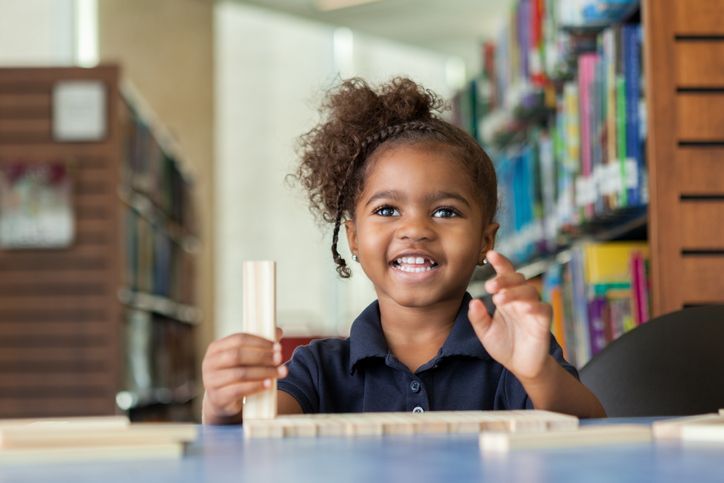
Much like summer vacation, kids can suddenly have a lot of free time on their hands during the winter break from school. This is a good thing- kids, just like adults, deserve downtime and an opportunity to rest, relax, play, and hang out with friends- without worrying about an early alarm clock or homework. How to help children maintain that balance of relaxation and keeping their minds active? Here are some tips to keep in mind: Learning can look different over the winter break! Instead of working at a computer or textbook, learning can take place though conversations, outdoor activities, and connecting with friends and family. Just because a child might not be actively sitting at a desk doesn’t mean they’re not constantly absorbing and learning during different family activities. Learning activities don’t have to be long- in fact, they can be as brief as 15 minutes a day! Anything that gets a child’s mind turning, such as taking a trip to a local library or park or helping with cooking or around the house can turn their real world into a mini classroom. To keep kids learning without winding them up, try winding down. Read together or color as a family, listen to music, or simply get outside. Soothing, sensory input can do wonders for relaxing the brain and reestablishing focus. For many caregivers, work still needs to get done while the kids are home from school. Whether you work from home, or just need some time to complete basic errands, have your kids help! Kids can be eager and enthusiastic partners when it comes to chores like cleaning, going grocery shopping, or “helping” you with work. Giving kids their own projects, like helping with meals, or drawing pictures for you to display on your desk, can help them be involved and included. When giving children opportunities to learn in a setting outside of school, we can show them that learning can take place everywhere, anytime! Soon enough, they’ll be back at school after the holidays refreshed, and ready to go back to their normal schedules with a focused and energetic mind. For more activities, visit the Coalition’s YouTube page at https://www.youtube.com/channel/UCI5xCvtPbCA5uubOpWWR7LQ .

December is Safe Toys and Gifts Month, and while it is important to make sure you are giving the children in your life safe and age-appropriate gifts, you also want to make sure you’re giving them something that will last, that will encourage developmental skills, and of course, gifts that they’ll like and get excited about! Here are a few things to consider when going shopping for little ones this holiday season: Safety Check for age-appropriate labels on toys. Avoid toys with small parts and accessories. Inspect toys for sharp edges or loose parts. Some other things to consider are, if you are gifting an outdoor toy such as a bike, scooter, or skateboard, make sure you include a cool-looking Consumer Product Safety Commission (CPSC) certified helmet to keep them safe. Lastly, keep an eye on future recalls- you can visit https://www.recalls.gov for additional information about toy product recalls. Developmentally Appropriate and Durable Is the toy right for the child’s age, skills, and abilities? Is the product well-designed and easy to use? Is the product durable, and will it hold up to a lot of wear and tear? Can the product be cleaned and washed? Remember when buying toys for children, we want to make sure not to give something that’s too difficult to use. Good gifts can improve children’s skill-building, problem solving, creativity, eye/hand coordination, and fine and large motor skills. You’ll also want to choose a toy that will physically last and hold the child’s interest for more than a few days or weeks. Some of these toys can include: Blocks- Whether they are traditional wooden blocks, foam blocks, or plastic interlocking blocks, these toys are always a hit (and for wooden blocks especially, can last for a while). Kids can get creative when constructing with different shapes and materials. Pretend Play- Toys that encourage a child’s imagination and connect them to real-world activities, such as child-sized kitchen sets, tools, toy phones, trains and cars, and costumes can all nurture a child’s ability to create and tell stories. You can watch and see what the child is interested in (for example, my child is all about pretend food), and buy gifts that support their curiosity. Toys for Fidgety Fingers and Growing Bodies- Little ones always have fun with toys they can manipulate and get a bit messy with, such as playdough, sand, water play, chalkboards and easels, and musical instruments. For those who are a bit older and need toys that support coordination, balance, and support, gifts such as balls, balance boards, tunnels, and bikes will offer the appropriate skill challenges. Books- When thinking about toys, books aren’t usually the first to spring to mind. However, there are endless titles out there, in many media formats, for kids of all ages to enjoy. Giving children the gift of literature can support their current interests and deepen their understanding of the world around them. Looking for new books to read and gift? Check out https://booksmart.worldreader.org/en/BookSmart/Welcome/Start . We hope you all have a safe and happy holiday season, and enjoy your time spent together with family and friends- remember, it’s okay to put the gifts down for a few moments!

The holiday season is a special time for families to come together, make memories, and celebrate. During the holidays, children are often taking a break from school and normal routines and can face situations outside their comfort zone- such as visiting unfamiliar places and family members. As parents and caregivers, we want to enjoy time with our children, and of course, take some time for ourselves! Consider these tips on how to prepare for the holidays and keep things positive: With the holidays come a change in routine, something both kids and adults rely on. Prepare your children ahead of time for what to expect during the holidays, and if traveling, bring along familiar toys and books. Try to maintain quiet one-on-one time, such as reading together before bedtime. Plan for some peace and quiet. For kids who can get overstimulated easily by noise and crowds, arrange a place (such as another room in the house) where they can go if they need a break. Travelling during the holidays often involves long car or plane rides. Pack a bag with multiple activities for your children. Lots of bathroom breaks and chances for everyone to stretch their legs are great too! Take care of yourself! Prioritize what is important to you and your family and say “no” to anything you can’t handle. The important thing about the holiday season is that parents, caregivers, and children spend time together and have fun while managing expectations. Recognize that there will probably be some moments, but that the fun moments will more than make up for it! Focus on the little things- seeing all the sparkling lights, eating yummy treats, and enjoying experiences both traditional and new. Identify one or two things you would like your child to get out of the holiday, and work on achieving that. Have a happy, wonderful, and stress-free holiday season! The Coalition has classes and supports for families this holiday season and year-round. Visit our family resource page at https://www.elcpalmbeach.org/family-resources and subscribe to our family newsletter at https://www.elcpalmbeach.org/forfamilies .

Kids love to be included in holiday preparations and it can be a fun way to connect in the kitchen. As children grow, they can learn new cooking skills and family traditions. We at the Early Learning Coalition are happy to share some simple ideas for kitchen safety, especially when there may be more activity and people in the home. Preparing food is a great time to review handwashing! Washing hands can also be a review of the “ABC Song” for younger children which is the just the right amount of time for handwashing to last. Remind children to always ask an adult before they begin cooking. Of course, as children grow, so do their abilities and what they can handle independently. With younger children who are still learning about cooking heat, keep them three feet away from the stove, turning pot handles inward, and keeping hot foods and electrical cords out of reach. Candles can be festive. Ensure they remain safely out of reach along with matches and any lighters. While sharp knives should be kept for adult use, children can mix, measure, and stir, as part of the prep. There are many kitchen utensils and tasks for smaller hands. There are so many ways to include children in Thanksgiving preparations! Have your children help decorate the home for fall with drawings, decorations, or menus. Children can also help with simple food preparation tasks such as washing vegetables, stirring ingredients, or setting the table. And, if they are willing, have them pitch in with the clean-up- extra hands always help! While Thanksgiving is a fun and busy time, it’s best to remember that there is nothing more important than having a safe holiday!

Beginning reading habits at an early age supports intellectual growth and development. By cultivating a love of reading in children from a young age, parents can set them on a path to success and lifelong love of learning. A strong reading habit at an early age not only enhances language skills, but also positively impacts cognitive abilities. Research has consistently shown that reading boosts vocabulary development, improves concentration, and enhances memory retention. These cognitive benefits empower children to excel academically as they get older. Reading from an early age can also instill a sense of routine. When children establish a regular reading schedule, it becomes a healthy habit that they carry into adulthood. Regular reading sessions become a source of comfort and relaxation. The great thing is you can start reading habits with your child right from birth! Engage a child’s senses by singing, rhyming, and talking to them. Babies will develop listening skills and form an interest in sounds and words. When your baby eventually learns certain patterns of sounds and tries to copy them, reading books aloud, showing pictures, and letting babies handle the books themselves encourages them to learn visual recognition and to identify what they hear with what they see. Of course, no one expects an infant to read, but simply letting them hold a book can start the process of getting them familiar with books and reading materials. A normal part of developing early literacy skills for very young children is repetition, so don’t be afraid to read the same storybook or look at the same pictures repeatedly. Board books and soft books are good for infants to get used to holding a book in their hands (even if it eventually ends up in their mouths). As your child grows, you can continue to promote literacy at home, and not just by reading books- telling stories with your family, flipping through photo albums, writing notes to each other, sending emails to far-away family members, and using the library together are all great ways to foster family literacy activities. A love of reading starts at an early age, and often starts at home. If the whole family can try to encourage and support literacy, children have a higher chance of enjoying reading for the rest of their lives. Reading aloud and exploring books together from an early age significantly improves a child’s language and literacy development. For my own child and I, reading aloud together is our favorite part of the bedtime routine. While a good goal to reach is 15 minutes of reading aloud every day, I must admit, we don’t always make it to 15 minutes. But even if we read for five minutes, or if we do ten minutes in the afternoon and five at night, we make it a habit to squeeze in reading aloud with a well-loved book; and perhaps you and your family can make it a fun habit too!